education
Juntos Seguros Community Safety: A Complete Guide to Building Safer Communities Together


Community safety is one of the most important foundations of a healthy and thriving society. Every person deserves to live in a neighborhood where families feel secure, children can play safely, businesses can grow without fear, and residents trust one another. The concept of Juntos Seguros Community Safety reflects this shared commitment by encouraging collaboration among residents, local organizations, businesses, schools, and public institutions to create safer environments for everyone. The phrase “Juntos Seguros,” which translates to “Safe Together,” highlights the belief that lasting safety is achieved through cooperation rather than individual effort alone. Instead of relying solely on law enforcement or emergency services, successful community safety initiatives involve education, communication, preparedness, and active participation from every member of the community. This guide explores the principles, goals, benefits, strategies, and best practices associated with Juntos Seguros Community Safety while providing practical information that individuals and communities can use to strengthen local safety efforts.
What Is Juntos Seguros Community Safety?
Juntos Seguros Community Safety is a community-focused approach to improving public safety through collaboration, education, prevention, and preparedness. Rather than responding only after incidents occur, this approach emphasizes preventing problems before they happen by building stronger relationships among neighbors, increasing awareness of local safety concerns, and encouraging residents to actively participate in creating secure environments. Community members work alongside schools, businesses, nonprofit organizations, healthcare providers, and local authorities to identify risks, develop solutions, and promote a culture of responsibility. By combining resources and knowledge, communities become more resilient and better prepared to respond to emergencies, natural disasters, public health concerns, and criminal activity. The philosophy recognizes that everyone has a role in maintaining safety, whether by reporting suspicious activity, participating in neighborhood meetings, volunteering for community projects, or simply checking on vulnerable neighbors.
Why Community Safety Matters
Strong communities are built on trust, cooperation, and shared responsibility. Community safety extends beyond crime prevention and includes physical safety, emergency preparedness, mental well-being, traffic safety, environmental protection, and disaster resilience. When neighborhoods feel secure, residents are more likely to participate in community events, support local businesses, engage in volunteer activities, and build lasting relationships with their neighbors. Safe communities also attract investment, improve property values, and contribute to better educational outcomes for children. Businesses benefit from stable environments, while families enjoy greater peace of mind knowing they live in areas where people care about one another. Investing in community safety creates long-term social, economic, and emotional benefits that strengthen the entire community.
Core Principles of Juntos Seguros Community Safety
The foundation of Juntos Seguros Community Safety is built upon collaboration, inclusion, education, prevention, and resilience. Collaboration encourages partnerships among residents, schools, emergency responders, healthcare providers, and local organizations. Inclusion ensures that every community member, regardless of age, language, or background, has access to safety information and opportunities to participate. Education provides people with the knowledge necessary to recognize potential risks and respond effectively during emergencies. Prevention focuses on identifying concerns early before they become larger problems, while resilience helps communities recover quickly after unexpected events. These principles work together to create environments where safety becomes part of everyday life rather than an occasional concern.
Key Benefits of Juntos Seguros Community Safety
Communities that adopt collaborative safety practices experience numerous benefits that extend far beyond reducing crime. Improved communication allows residents to share important information quickly during emergencies. Stronger neighborhood relationships increase trust and encourage mutual support among families. Educational programs teach valuable skills such as first aid, emergency planning, fire prevention, and disaster preparedness. Local businesses become safer through security partnerships and awareness campaigns. Children gain confidence by learning safety practices at school, while older adults benefit from community support networks that reduce isolation and improve access to assistance. Overall, community participation creates safer public spaces, improves emergency response, strengthens local resilience, and fosters a greater sense of belonging.
Effective Strategies for Building Community Safety
Creating a safer community requires consistent effort and thoughtful planning. One of the most effective strategies involves organizing neighborhood meetings where residents can discuss local concerns and develop action plans together. Community education programs provide training on emergency preparedness, fire safety, personal security, online safety, and disaster response. Schools play an important role by teaching students about responsible behavior, conflict resolution, and emergency procedures. Businesses can contribute by improving lighting, maintaining surveillance systems where appropriate, and supporting local safety initiatives. Volunteers often assist with neighborhood cleanup projects, community events, and educational campaigns that strengthen community pride while reducing environmental hazards. Regular communication through community newsletters, social media groups, and public meetings helps keep everyone informed about safety updates and upcoming events.
The Role of Technology in Community Safety
Modern technology has become an important tool for enhancing community safety. Mobile applications, emergency alert systems, digital communication platforms, and online educational resources make it easier for communities to stay informed and respond quickly during emergencies. Residents can receive weather alerts, emergency notifications, road closure information, and public safety announcements directly on their smartphones. Community websites and social media platforms allow organizations to share educational materials, announce community meetings, and encourage volunteer participation. Technology also supports emergency planning by helping families create communication plans, maintain emergency contact lists, and access important resources during disasters.
Emergency Preparedness for Families
Every household should have an emergency preparedness plan that includes evacuation routes, emergency contact information, first aid supplies, food, water, flashlights, batteries, medications, and important documents stored safely. Family members should regularly review emergency procedures and practice evacuation drills so everyone understands what to do during fires, severe weather, earthquakes, floods, or other emergencies. Prepared families recover more quickly from unexpected events and reduce the burden on emergency services during crises.
Community Partnerships
Successful community safety programs depend on strong partnerships among residents, nonprofit organizations, educational institutions, healthcare providers, businesses, faith-based organizations, and public agencies. Each partner contributes unique resources, expertise, and perspectives that improve overall community resilience. Schools educate children, healthcare providers promote wellness, nonprofits support vulnerable populations, businesses contribute resources, and residents provide valuable local knowledge. Together, these partnerships create comprehensive solutions that address a wide range of community safety challenges.
How Individuals Can Support Community Safety
Every person can contribute to safer communities through everyday actions. Staying informed about local safety information, participating in community meetings, volunteering for neighborhood projects, practicing emergency preparedness, respecting traffic laws, supporting local organizations, reporting hazards, assisting vulnerable neighbors, and promoting positive communication all help strengthen community safety. Even small acts of kindness and responsibility can make meaningful differences when multiplied across an entire neighborhood.
Future of Juntos Seguros Community Safety
As communities continue to grow and face new challenges, community safety initiatives will increasingly rely on innovation, education, technology, and collaboration. Climate-related emergencies, public health concerns, cybersecurity awareness, and disaster resilience will become even more important aspects of comprehensive community safety planning. Future programs will likely emphasize inclusive communication, multilingual education, stronger partnerships, and advanced digital tools while maintaining the central principle that lasting safety is achieved through shared responsibility and community cooperation.
Conclusion
Juntos Seguros Community Safety represents more than a single program or initiative—it embodies the belief that safer communities are created when people work together with shared purpose and mutual respect. By promoting education, preparedness, communication, prevention, and collaboration, communities become stronger, more resilient, and better equipped to face everyday challenges as well as unexpected emergencies. Every resident, organization, school, business, and public agency has an opportunity to contribute to safer neighborhoods through informed action and active participation. As communities continue to evolve, the principles of Juntos Seguros Community Safety will remain valuable because they emphasize collective responsibility, trust, and long-term resilience. When communities invest in working together, they create environments where individuals and families can live, learn, work, and thrive with greater confidence and security.
Frequently Asked Questions (FAQ)
1. What does Juntos Seguros Community Safety mean?
Juntos Seguros Community Safety refers to a collaborative approach to improving public safety by encouraging residents, organizations, schools, businesses, and public agencies to work together to create safer communities.
2. What are the main goals of Juntos Seguros Community Safety?
The primary goals include crime prevention, emergency preparedness, community education, public awareness, stronger neighborhood relationships, and improved resilience during emergencies.
3. Why is community participation important?
Community participation strengthens communication, builds trust, identifies local concerns early, supports vulnerable residents, and improves the overall effectiveness of safety initiatives.
4. How can families improve community safety?
Families can prepare emergency plans, participate in neighborhood activities, stay informed about local safety updates, teach children about safety, and support community organizations.
5. What role does technology play in community safety?
Technology helps communities receive emergency alerts, share important information, improve communication, access educational resources, and coordinate emergency responses more efficiently.
6. How do schools contribute to community safety?
Schools provide safety education, conduct emergency drills, teach conflict resolution, encourage responsible citizenship, and work with families and community organizations to promote safe learning environments.
7. Can businesses participate in community safety efforts?
Yes. Businesses can improve security, support local initiatives, provide resources for community events, maintain safe facilities, and collaborate with local organizations to promote public safety.
8. What are the long-term benefits of Juntos Seguros Community Safety?
Long-term benefits include safer neighborhoods, stronger community relationships, increased resilience during emergencies, improved quality of life, better economic development, and greater public confidence in local safety efforts.


The internet is filled with countless websites offering information, services, and digital resources, making it increasingly difficult for users to identify platforms that consistently provide value. Kahighway is an online platform that aims to offer visitors an accessible and user-friendly experience. Whether someone is searching for helpful information, exploring new resources, or simply looking for a reliable website, Kahighway has the potential to become a useful destination. As more people rely on digital platforms for learning, research, and everyday activities, websites that focus on usability, quality content, and a positive user experience continue to attract attention. This guide explores Kahighway, highlighting its potential features, benefits, and reasons why it may become an increasingly valuable online resource.
What Is Kahighway?
Kahighway is an online platform designed to provide visitors with access to digital content and resources. Depending on its purpose and future development, it may offer informative articles, practical guides, educational materials, or additional online services. A modern website succeeds when it combines useful information with intuitive navigation, reliable performance, and content that addresses users’ questions. Kahighway has the opportunity to grow by continuously publishing valuable, well-organized, and accurate information that helps visitors solve problems and find answers efficiently.
Key Features of Kahighway
One of the most important aspects of any successful website is its ability to deliver an enjoyable browsing experience. Kahighway can stand out by offering a clean interface, easy navigation, mobile responsiveness, fast page loading speeds, and regularly updated content. Visitors appreciate websites that organize information logically, making it simple to locate articles, guides, or resources without unnecessary complexity. Strong search functionality, clear categories, and accessible design can also improve user satisfaction while encouraging repeat visits.
Benefits of Using Kahighway
Users benefit from websites that prioritize quality information and a seamless experience. Kahighway can help readers save time by presenting organized and relevant content while maintaining a focus on clarity and reliability. High-quality articles, practical resources, and regular updates contribute to user trust and engagement. A website that consistently answers common questions and addresses real-world needs is more likely to attract returning visitors and build a loyal audience over time.
Why Quality Content Matters
Content is the foundation of every successful website. Publishing well-researched, original, and informative articles helps establish authority while improving visibility in search engines. Readers prefer comprehensive content that explains topics in depth, includes clear examples, and is easy to understand. Search engines also reward pages that demonstrate expertise, satisfy user intent, and provide a positive reading experience. By focusing on high-quality writing, logical structure, and useful information, Kahighway can strengthen its online presence and attract a wider audience.
SEO Best Practices for Kahighway
Optimizing content for search engines involves much more than simply repeating keywords. Successful SEO combines relevant keyword usage with clear headings, descriptive meta tags, internal linking, optimized images, fast loading times, mobile-friendly design, and content that genuinely answers users’ questions. Articles should use natural language, avoid unnecessary keyword repetition, and provide comprehensive coverage of the subject. Consistent updates and original content also contribute to long-term search visibility.
Future Potential of Kahighway
As online competition continues to grow, websites that prioritize user experience, trustworthy information, and consistent improvement have greater opportunities to succeed. Kahighway can expand its reach by publishing authoritative content, covering topics that match audience interests, and maintaining a commitment to quality. Building credibility through useful resources and a positive user experience can support long-term growth and stronger recognition.
Conclusion
Kahighway has the potential to become a valuable online platform by focusing on informative content, user-friendly design, and continuous improvement. Visitors increasingly seek websites that provide reliable information in a clear and accessible format, and meeting those expectations can encourage repeat engagement and stronger search performance. By investing in high-quality content, sound SEO practices, and an excellent user experience, Kahighway can continue to grow its audience and establish itself as a trusted online destination.
Frequently Asked Questions
1. What is Kahighway?
Kahighway is an online platform that provides digital content and resources. The exact offerings depend on the website’s focus and development.
2. Is Kahighway free to use?
Availability and pricing depend on the services provided by the website.
3. What kind of information does Kahighway provide?
The content varies according to the website’s purpose and may include guides, articles, or other helpful resources.
4. Is Kahighway suitable for beginners?
Yes. A clear layout and informative content can make it accessible to new users.
5. Can I access Kahighway on mobile devices?
A responsive website design allows users to browse comfortably on smartphones and tablets.
6. Why should I use Kahighway?
It can provide organized information, useful resources, and a convenient browsing experience.
7. How often should Kahighway publish new content?
Regular updates help maintain relevance for readers and search engines.
8. Does SEO help Kahighway grow?
Yes. Strong SEO practices can improve visibility, attract organic traffic, and support long-term growth.
9. What makes a website trustworthy?
Accurate information, transparency, usability, and consistent updates all contribute to credibility.
10. How can Kahighway continue to improve?
By publishing original content, improving performance, listening to user feedback, and keeping information current.
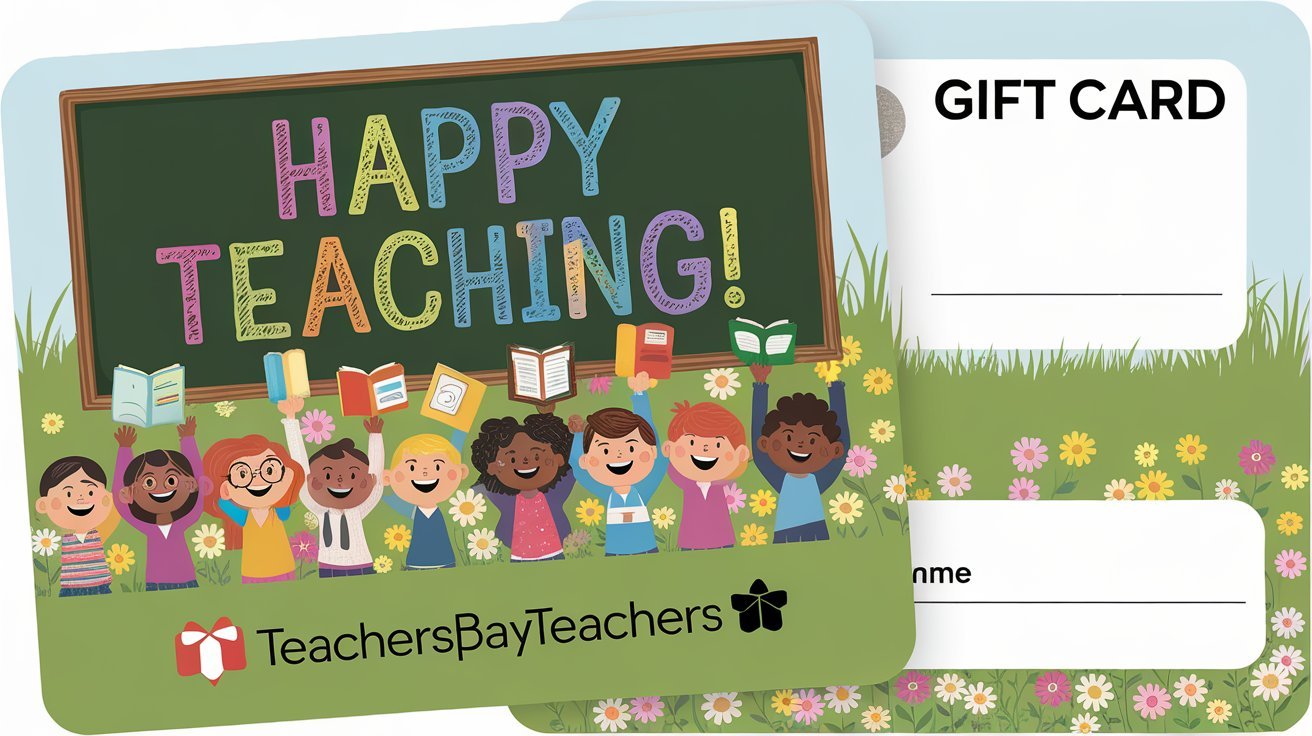
A TeachersPayTeachers Gift Card is one of the most thoughtful gifts you can give to educators, homeschooling families, tutors, and anyone who regularly purchases educational materials. Teachers often spend their own money on classroom resources, worksheets, lesson plans, classroom decorations, digital activities, and educational games. A TeachersPayTeachers (TpT) gift card allows recipients to choose the exact resources they need instead of receiving a generic present. Whether you’re shopping for Teacher Appreciation Week, Christmas, birthdays, graduation, or back-to-school season, a TpT gift card offers flexibility and practical value. In this comprehensive guide, you’ll learn everything about TeachersPayTeachers gift cards, including how they work, where to buy them, how to redeem them, their benefits, common issues, and answers to frequently asked questions so you can make informed purchasing decisions.
What Is a TeachersPayTeachers Gift Card?
A TeachersPayTeachers gift card is a digital gift certificate that allows users to purchase educational resources available on the TeachersPayTeachers marketplace. Instead of selecting specific products for someone else, you provide purchasing credit that can be applied toward thousands of classroom resources created by experienced educators. The platform includes printable worksheets, digital activities, lesson plans, classroom posters, assessments, interactive notebooks, educational games, templates, and curriculum materials covering virtually every grade level and subject. Gift cards make it easy for recipients to choose resources that perfectly fit their classroom needs and teaching style.
Why Teachers Love TeachersPayTeachers Gift Cards
Teachers frequently purchase classroom resources using personal funds, making a gift card especially meaningful. Rather than receiving decorative gifts or supplies they may not use, educators gain access to practical teaching materials that save time and improve classroom instruction. A TeachersPayTeachers gift card allows them to download lesson plans instantly, discover creative classroom ideas, organize engaging activities, and access professional-quality educational content. Because every teacher has unique classroom needs, the freedom to choose exactly what they want makes this gift highly appreciated.
Benefits of Buying a TeachersPayTeachers Gift Card
One of the biggest advantages of purchasing a TeachersPayTeachers gift card is convenience. Digital delivery means there is no shipping delay, making it ideal for last-minute gifts. The recipient can browse thousands of educational products and purchase only what they truly need. Gift cards eliminate the uncertainty of choosing classroom materials on someone else’s behalf while ensuring the recipient receives something valuable. They are suitable for teachers, tutors, homeschool parents, school administrators, education students, childcare providers, and instructional coaches. They also work well for teacher appreciation events, retirement celebrations, classroom grants, and volunteer recognition programs.
How to Buy a TeachersPayTeachers Gift Card
Buying a TeachersPayTeachers gift card is a straightforward process. Visit the official TeachersPayTeachers website, navigate to the gift card section, select your preferred gift card amount, enter the recipient’s email address if sending it directly, include a personalized message if desired, and complete your purchase using an accepted payment method. After the purchase is complete, the digital gift card is delivered electronically, allowing the recipient to redeem it and begin shopping for classroom resources almost immediately.
How to Redeem a TeachersPayTeachers Gift Card
Redeeming a TeachersPayTeachers gift card is simple. After signing into a TeachersPayTeachers account, locate the gift card redemption option in your account settings or checkout process, enter the gift card code exactly as provided, and apply the available balance to your account. The balance can then be used toward eligible purchases on the platform. During checkout, the available credit is deducted from the total order amount before any remaining balance is charged through another payment method if necessary.
What Can You Buy with a TeachersPayTeachers Gift Card?
TeachersPayTeachers offers an enormous collection of educational resources for preschool through high school and beyond. Popular categories include math activities, reading comprehension worksheets, science experiments, writing prompts, social studies projects, classroom management tools, educational posters, digital Google Slides activities, Boom Cards, assessment resources, special education materials, ESL resources, homeschool curriculum, classroom decor, seasonal activities, and printable learning games. Because new content is added regularly by educators worldwide, recipients always have access to fresh teaching ideas.
Who Should Buy a TeachersPayTeachers Gift Card?
A TeachersPayTeachers gift card is ideal for anyone who wants to support education. Parents often purchase them as appreciation gifts for teachers who have positively impacted their children. School principals use them as employee recognition rewards, while PTO organizations may present them during appreciation events. Friends and family members can also purchase gift cards for educators, tutors, or homeschooling parents who regularly invest in educational materials. Even student teachers beginning their careers can benefit from having classroom resources readily available through TeachersPayTeachers.
Best Occasions to Give a TeachersPayTeachers Gift Card
TeachersPayTeachers gift cards are suitable for many occasions throughout the year. During Teacher Appreciation Week, they serve as meaningful expressions of gratitude. At the start of a new school year, they help teachers prepare engaging lessons and classroom activities. During the holiday season, birthdays, graduation celebrations, retirement events, and end-of-year recognition ceremonies, a TpT gift card provides lasting value because recipients choose resources they will use repeatedly throughout the academic year.
Tips for Getting the Most Value from a TeachersPayTeachers Gift Card
To maximize the value of a TeachersPayTeachers gift card, recipients should watch for seasonal sales and promotional discounts, allowing them to purchase more resources with the same balance. Creating wish lists, following favorite teacher-authors, reading product reviews, and organizing purchased resources into collections can also improve the overall shopping experience. Combining gift card credit with promotional pricing often allows educators to significantly expand their classroom resource library.
Common Questions About TeachersPayTeachers Gift Cards
Many buyers wonder whether TeachersPayTeachers gift cards expire or whether they can be used for every product on the marketplace. Others ask whether gift cards are transferable, refundable, or replaceable if lost. Reviewing the official gift card terms before purchasing is always recommended to understand any applicable policies, usage restrictions, or limitations. Most recipients appreciate digital delivery because it provides immediate access without waiting for physical shipping.
Conclusion
A TeachersPayTeachers gift card is more than a simple present—it is an investment in education and classroom success. Instead of guessing which classroom resources someone might need, you provide the freedom to choose materials that match their curriculum, students, and teaching goals. From printable worksheets and engaging digital activities to comprehensive lesson plans and classroom management tools, the TeachersPayTeachers marketplace offers resources that help educators save time and improve learning outcomes. Whether you are celebrating Teacher Appreciation Week, preparing for the back-to-school season, recognizing an outstanding educator, or simply expressing gratitude, a TeachersPayTeachers gift card remains one of the most practical, thoughtful, and appreciated gifts available for teachers and education professionals.
Frequently Asked Questions (FAQs)
1. What is a TeachersPayTeachers gift card?
A TeachersPayTeachers gift card is a digital gift certificate that can be used to purchase educational resources on the TeachersPayTeachers marketplace.
2. Where can I buy a TeachersPayTeachers gift card?
TeachersPayTeachers gift cards are available through the official TeachersPayTeachers website.
3. How do I redeem a TeachersPayTeachers gift card?
Sign in to your account, enter the gift card code through the redemption process, and apply the balance to eligible purchases.
4. Can teachers use gift cards for digital resources?
Yes. Teachers can purchase printable resources, lesson plans, digital activities, classroom decorations, assessments, and many other educational materials.
5. Is a TeachersPayTeachers gift card a good gift?
Yes. It allows teachers and educators to choose classroom resources that best fit their students’ learning needs.
6. Can parents purchase TeachersPayTeachers gift cards?
Absolutely. Parents often buy them as teacher appreciation gifts or classroom support gifts.
7. Are TeachersPayTeachers gift cards delivered digitally?
Yes. They are generally sent electronically, making them convenient for last-minute gifting.
8. Who benefits most from a TeachersPayTeachers gift card?
Teachers, tutors, homeschool parents, education students, instructional coaches, and childcare professionals all benefit from having access to quality educational resources.


 life style3 months ago
🔥 SEO TITLE IDEAS (WITH KEYWORDS + EXPLANATION)
- Sports3 months ago
⚽ TOTALSPORTEK – COMPLETE SEO GUIDE (2026)
- Business2 months ago
Miles College: History, Admissions, Programs, Campus Life, and Student Success Guide
- life style2 months ago
Nicole Doshi Biography: Career, Background, Public Profile, and Frequently Asked Questions
- Tecnologia3 months ago
Couldn’t Verify Mi Account ID: Complete Guide to Fix Xiaomi Account Verification Problems
- blog2 months ago
How to Surf: The Complete Beginner’s Guide to Learning Surfing Safely and Confidently
- Business2 months ago
SEO by HighSoftware99.com: A Complete Guide to Improving Your Website Rankings
- Business2 months ago
Alexis Bellino and John Janssen: Relationship, Biography, Career, and Their Journey in the Public Eye