
Health
Icing Sugar vs Sugar: What’s the Difference and Which One Should You Use?



The wellness supplement industry has grown rapidly as more people look for convenient ways to support their health, energy levels, weight management, digestion, sleep quality, and overall lifestyle. Colibrim is an online supplement platform that features a wide range of health products across categories such as weight management, immune support, men’s health, women’s wellness, joint support, sleep support, heart health, and other wellness areas.
Before purchasing any supplement, it is important to understand what the product claims to do, examine the ingredients, consider scientific evidence, and compare customer experiences. Supplements may support general wellness, but they are not replacements for a balanced diet, medical treatment, or professional healthcare advice.
This review explores Colibrim wellness supplements, their product categories, potential benefits, concerns, and what customers should consider before making a purchase decision.
What Is Colibrim?
Wellness supplement reviews colibrim is an online supplement marketplace that provides information and listings for various wellness products. The website organizes supplements by health goals, including categories such as weight loss, brain and memory support, gut health, prostate health, oral care, joint support, and healthy aging.
The platform presents supplement reviews, ingredient information, and product descriptions designed to help consumers compare different wellness options. However, individual supplements should still be evaluated separately because formulas, manufacturers, ingredients, and evidence levels can vary significantly between products.
Colibrim Supplement Categories
1. Weight Loss Supplements
Weight management is one of the largest supplement categories featured on Colibrim. The platform highlights products marketed for metabolism support, appetite management, energy improvement, and fat-loss assistance.
Common ingredients found in many weight-management supplements include green tea extract, caffeine, L-carnitine, and plant-based extracts. Some ingredients have research suggesting possible effects on metabolism or energy expenditure, but results often depend on dosage, individual health factors, diet, and exercise habits.
A supplement alone is unlikely to create significant weight loss without lifestyle changes. Sustainable results usually come from combining healthy nutrition, physical activity, sleep quality, and consistent habits.
2. Healthy Aging Supplements
Colibrim also features products focused on healthy aging, including supplements marketed around antioxidants, cellular health, energy, and vitality.
Many healthy-aging formulas include ingredients such as antioxidants, vitamins, minerals, collagen-supporting nutrients, and compounds associated with cellular function. While certain nutrients can support normal body functions, claims about reversing aging or dramatically transforming health should be evaluated carefully.
Aging is influenced by genetics, lifestyle, environment, nutrition, and medical history. Supplements may complement healthy habits but cannot replace them.
3. Men’s Wellness Supplements
Men’s health supplements listed through Colibrim focus on areas such as energy, vitality, circulation, and general wellness. Some formulas commonly include ingredients like zinc, magnesium, vitamin D, maca, ginseng, L-arginine, or ashwagandha.
Some of these ingredients have been studied for specific health-related effects, but the quality of evidence varies. Consumers should look for transparent labels showing exact ingredient amounts rather than relying only on marketing claims.
4. Heart and Circulation Supplements
Colibrim includes heart-health-related supplement categories that promote ingredients such as CoQ10, omega-3 fatty acids, and plant extracts.
Certain nutrients may support cardiovascular health when used appropriately, especially for people with nutritional deficiencies. However, supplements should not be viewed as treatments for high blood pressure, heart disease, or other medical conditions.
Anyone taking heart medications should consult a healthcare professional before adding new supplements.
Final Verdict: Are Colibrim Wellness Supplements Worth It?
Wellness supplement reviews colibrim provides a broad selection of wellness supplement information and products covering many popular health categories. However, whether a specific supplement is worth buying depends on the individual product, ingredients, quality standards, and your personal health goals.
Supplements can be useful tools for supporting wellness when chosen carefully and combined with healthy lifestyle habits. Consumers should approach supplement marketing with realistic expectations and focus on evidence, transparency, and safety.
Frequently Asked Questions (FAQs)
1. What is Colibrim?
Colibrim is an online supplement platform featuring wellness products and information across multiple health categories, including weight management, healthy aging, and general wellness.
2. Are Colibrim supplements effective?
Effectiveness depends on the specific supplement, ingredients, dosage, and individual health factors. Not all supplements produce the same results for every person.
3. Are Colibrim supplements safe?
Safety depends on the ingredients and the user’s health situation. Always review labels and consult a healthcare professional if you have medical concerns.
4. Does Colibrim offer weight loss supplements?
Yes. Colibrim features weight-management supplements marketed around metabolism, energy, and appetite support.
5. Can supplements replace a healthy diet?
No. Supplements are designed to complement a balanced diet and healthy lifestyle, not replace nutritious food.
6. What should I check before buying a supplement?
Check ingredients, dosage, manufacturer information, customer feedback, and whether health claims are realistic.
7. Are natural supplements always better?
Not necessarily. Natural ingredients can still have side effects or interactions, and effectiveness depends on scientific evidence and quality.
8. How long does it take for supplements to work?
The timeline varies depending on the supplement, individual body response, and lifestyle factors. Some effects may take weeks or longer.
9. Can everyone take wellness supplements?
No. People with certain health conditions, allergies, or medications should seek medical advice before using new supplements.
10. Where can I learn more about Colibrim products?
You can review Colibrim’s supplement categories and product information directly through its official website.
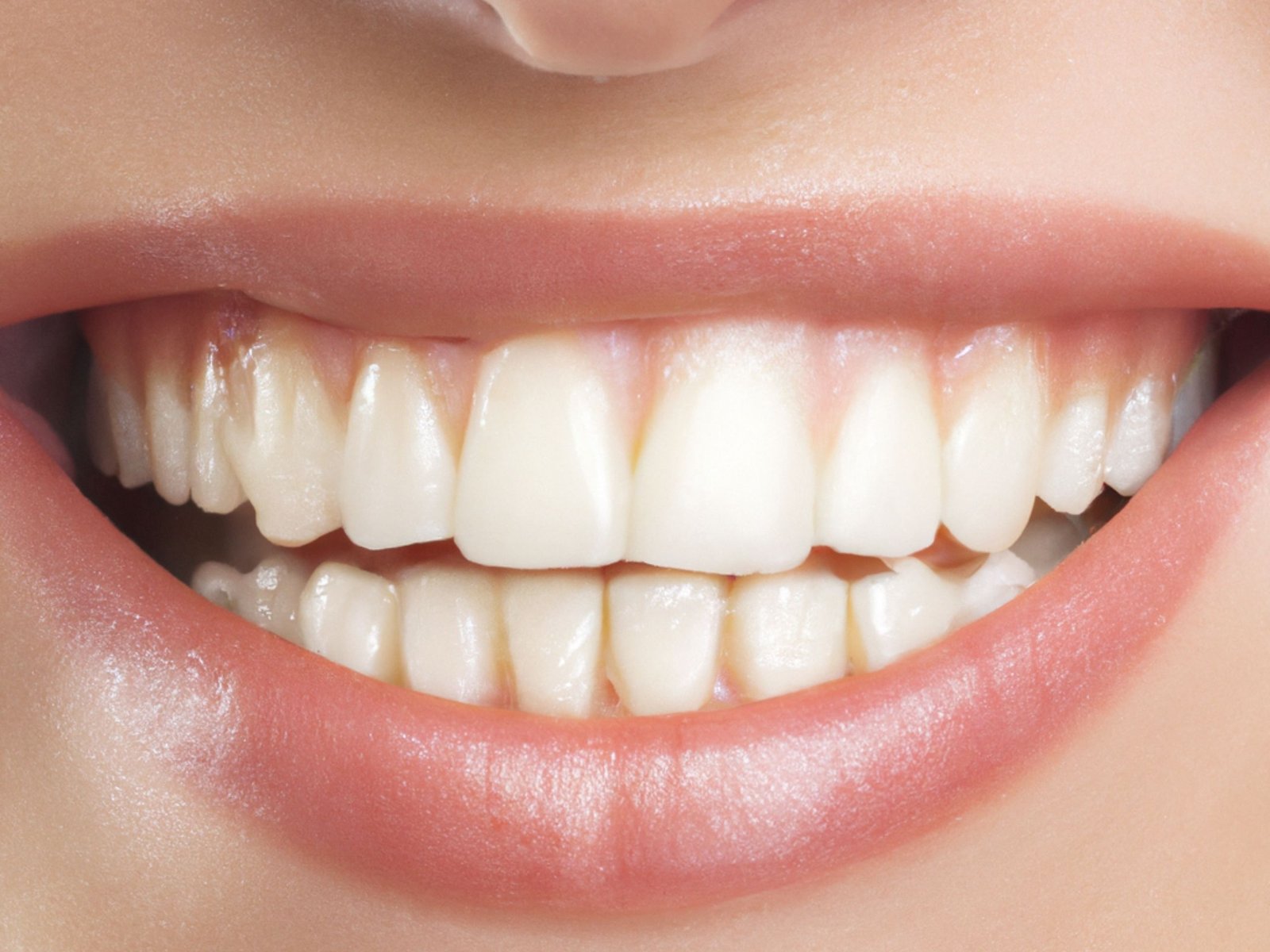
Cosmetic dentistry has become one of the fastest-growing areas of modern dental care, helping people improve the appearance of their smiles through a variety of advanced procedures. While traditional dentistry primarily focuses on diagnosing and treating oral diseases, cosmetic dentistry emphasizes enhancing the color, shape, alignment, size, and overall appearance of teeth and gums. Advances in dental materials and technology have made many treatments more precise, durable, and natural-looking than ever before. Whether someone wants to brighten stained teeth, repair chips, close gaps, straighten mild alignment issues, or achieve a complete smile makeover, cosmetic dentistry offers a wide range of personalized solutions. Understanding the available procedures, their benefits, potential limitations, and the importance of professional consultation can help patients make informed decisions that support both aesthetics and long-term oral health.
What Is Cosmetic Dentistry?
Cosmetic dentistry refers to dental procedures designed primarily to improve the appearance of teeth, gums, and smiles. Many treatments also contribute to function by restoring damaged teeth or improving bite alignment, although the primary goal is often aesthetic enhancement. Cosmetic dentists evaluate factors such as tooth color, spacing, symmetry, gum appearance, and facial proportions to recommend individualized treatment plans. Because every smile is unique, recommendations vary depending on a patient’s oral health, goals, and expectations. Before beginning cosmetic treatment, any underlying issues such as tooth decay or gum disease generally need to be addressed to create a healthy foundation.
Common Cosmetic Dentistry Procedures
Modern cosmetic dentistry includes a wide range of procedures tailored to different concerns. Professional teeth whitening can reduce many types of external staining and brighten the smile. Dental veneers are thin shells bonded to the front of teeth to improve color, shape, or minor alignment issues. Dental bonding uses tooth-colored composite resin to repair small chips, cracks, or gaps. Dental crowns restore the appearance and strength of damaged teeth while providing protection. Clear aligner systems, such as Invisalign, can improve tooth alignment for many patients with mild to moderate orthodontic needs. In cases where teeth are missing, dental implants may restore both appearance and function by replacing the tooth root and supporting a replacement crown.
Benefits of Cosmetic Dentistry
One of the most noticeable benefits of cosmetic dentistry is improved smile appearance, which may enhance confidence for many people in personal and professional settings. Certain treatments also support oral function by repairing worn or damaged teeth, making them easier to clean and maintain. Modern materials are designed to resemble natural tooth enamel, allowing restorations to blend with surrounding teeth. Because treatment plans are personalized, patients can choose options that align with their goals, budget, and overall dental condition. Maintaining good oral hygiene and attending regular dental checkups remain essential for preserving treatment results over time.
Who Is a Good Candidate?
Candidates for cosmetic dentistry vary depending on the procedure. Individuals with healthy teeth and gums who wish to improve discoloration, chips, uneven spacing, worn enamel, or minor alignment concerns may benefit from cosmetic treatments. A comprehensive dental examination helps determine which procedures are appropriate and whether any underlying oral health conditions should be treated first. Realistic expectations and a discussion of potential benefits, risks, longevity, and maintenance are important parts of the decision-making process.
Factors That Affect Cost
The cost of cosmetic dentistry depends on the type of procedure, the number of teeth being treated, the materials used, geographic location, and the complexity of the case. More comprehensive smile makeover plans involving multiple treatments generally cost more than single procedures such as professional whitening or bonding. Patients should ask for a detailed treatment plan that explains expected costs, possible alternatives, maintenance requirements, and financing options if available.
Caring for Cosmetic Dental Work
Long-lasting results depend on proper aftercare. Brushing twice daily with fluoride toothpaste, flossing regularly, limiting tobacco use, and moderating foods or drinks that may stain teeth can help preserve cosmetic results. Wearing a night guard may be recommended for people who grind their teeth, particularly after veneer or crown placement. Routine dental examinations and professional cleanings allow dentists to monitor restorations and address any issues before they become more significant.
Choosing the Right Cosmetic Dentist
Selecting a qualified dental professional is one of the most important decisions in cosmetic treatment. Patients should look for a licensed dentist with experience in cosmetic procedures, review before-and-after case examples when available, and discuss treatment goals during a consultation. Asking about recommended procedures, expected outcomes, maintenance, potential risks, and alternatives can help patients make informed choices. A personalized treatment plan based on a comprehensive examination is generally the best approach.
Conclusion
Cosmetic dentistry offers a wide range of treatments that can improve the appearance of teeth while, in many cases, supporting oral function as well. From professional whitening and veneers to bonding, crowns, aligners, and implants, modern techniques provide options for many different goals and budgets. The most appropriate treatment depends on each person’s dental health, preferences, and expectations, making a consultation with a qualified dental professional an essential first step. With good oral hygiene, regular dental care, and appropriate maintenance, many cosmetic dental treatments can provide long-lasting improvements to both appearance and confidence.
Frequently Asked Questions (FAQ)
What is cosmetic dentistry?
Cosmetic dentistry focuses on improving the appearance of teeth, gums, and smiles through procedures such as whitening, veneers, bonding, crowns, and clear aligners.
Is cosmetic dentistry only about appearance?
While aesthetics are the primary goal, some procedures can also improve function by restoring damaged teeth or correcting certain alignment issues.
What are the most common cosmetic dentistry procedures?
Common treatments include professional teeth whitening, dental veneers, bonding, crowns, clear aligners, gum contouring, and dental implants.
How long do cosmetic dentistry results last?
Longevity depends on the procedure, materials used, oral hygiene, diet, and regular dental care. Your dentist can provide procedure-specific expectations.
Is cosmetic dentistry painful?
Many cosmetic procedures involve little to no discomfort. When needed, dentists use local anesthesia or other techniques to improve patient comfort.
Does dental insurance cover cosmetic dentistry?
Coverage varies by plan. Procedures performed solely for cosmetic reasons are often not covered, while treatments with restorative or medically necessary components may receive partial coverage. Check with your insurance provider for details.
How do I choose the right cosmetic dentist?
Look for a licensed dentist with experience in cosmetic procedures, review examples of previous work when available, and schedule a consultation to discuss your goals, treatment options, risks, and expected outcomes.
Can cosmetic dentistry improve stained, chipped, or uneven teeth?
Yes. Depending on the specific concern, treatments such as whitening, bonding, veneers, crowns, or aligners may help improve the appearance of stained, chipped, uneven, or mildly misaligned teeth after an appropriate dental evaluation.


 Business2 months ago
Miles College: History, Admissions, Programs, Campus Life, and Student Success Guide
- life style3 months ago
🔥 SEO TITLE IDEAS (WITH KEYWORDS + EXPLANATION)
- Sports3 months ago
⚽ TOTALSPORTEK – COMPLETE SEO GUIDE (2026)
- life style2 months ago
Nicole Doshi Biography: Career, Background, Public Profile, and Frequently Asked Questions
- Tecnologia2 months ago
Couldn’t Verify Mi Account ID: Complete Guide to Fix Xiaomi Account Verification Problems
- blog2 months ago
How to Surf: The Complete Beginner’s Guide to Learning Surfing Safely and Confidently
- Business2 months ago
SEO by HighSoftware99.com: A Complete Guide to Improving Your Website Rankings
- Entertainment2 months ago
Blog WhatUTalkingBoutWillis: The Complete Guide to Lifestyle, Entertainment, and Helpful Content