
blog
1998 Toyota Celica: Complete Guide to Specs, Performance, Reliability, and Classic Appeal

Published
2 weeks agoon

The 1998 Toyota Celica is an interesting chapter in the history of Toyota’s long-running sport compact. By the late 1990s, the Celica had developed a distinctive identity as a stylish two-door coupe that combined sporty design, everyday usability, and Toyota engineering. The 1998 model belongs to the sixth-generation Celica, a generation introduced for the 1994 model year and offered in several configurations depending on the market. Today, the car attracts attention from Toyota enthusiasts, classic-car buyers, younger drivers interested in affordable performance cars, and collectors who appreciate the increasingly recognizable character of 1990s Japanese automobiles.
One reason the 1998 Toyota Celica remains interesting is that it occupies a useful middle ground between an ordinary commuter car and a dedicated sports car. Its relatively compact dimensions make it easy to maneuver, while the coupe body gives it a much more distinctive appearance than many contemporary economy cars. Depending on market and specification, buyers could encounter different engines, transmissions, equipment levels, and performance characteristics. This means that researching an individual car is important rather than assuming every 1998 Celica has exactly the same specifications. Condition, maintenance history, original equipment, modifications, and regional specification can have a major effect on the ownership experience.
Table of Contents
Toggle1998 Toyota Celica Design and Styling
The styling of the sixth-generation Celica is one of the reasons the model has developed a following among enthusiasts. The 1998 Toyota Celica has the rounded, aerodynamic appearance that became increasingly common among Japanese performance-oriented cars during the 1990s, but it still retains enough sharp detailing to look unmistakably sporty. Its low roofline, sloping hood, two-door configuration, and relatively wide stance give the car a purposeful appearance without making it as extreme as some dedicated sports cars of the period.
The design also reflects an important period in Toyota history. During the 1990s, manufacturers were increasingly combining aerodynamic efficiency with more organic styling, moving away from some of the boxier shapes associated with earlier decades. The Celica fits naturally into that transition. Today, its styling has become part of its appeal because it immediately communicates its era. For enthusiasts who enjoy 1990s Japanese cars, the original bodywork, factory wheels, lighting, trim, and interior details can be just as important as the mechanical specifications.
1998 Toyota Celica Engine and Performance
When discussing the 1998 Toyota Celica engine, it is important to recognize that specifications varied by market and trim. In the United States, the Celica was offered with four-cylinder power, while other international markets received additional engine choices and performance variants. The standard naturally aspirated engines were designed to balance usable performance with everyday drivability, making the Celica suitable for commuting as well as enthusiastic weekend driving.
One of the most important differences between Celica versions is the distinction between regular models and higher-performance variants. Certain markets received more powerful versions, including the GT-Four/All-Trac family associated with turbocharged four-wheel-drive performance. These cars are considerably different from ordinary front-wheel-drive Celicas and have developed their own enthusiast and collector following. Consequently, anyone researching a 1998 Celica should identify the exact market specification, engine code, drivetrain, and trim before comparing performance figures or prices.
For everyday driving, the Celica’s compact size and four-cylinder layout make it relatively straightforward to live with. The car was not intended to compete directly with large-displacement sports cars, but its combination of manageable weight, responsive chassis characteristics, and coupe proportions helped create an engaging driving experience. Manual-transmission examples can be particularly attractive to enthusiasts because they provide greater driver involvement and fit naturally with the car’s sporty character.
1998 Toyota Celica Interior and Practicality
Inside, the 1998 Toyota Celica interior reflects the priorities of a 1990s sport compact. Rather than focusing entirely on luxury, Toyota designed the cabin around straightforward controls, supportive seating, and a driver-oriented atmosphere. Equipment varied according to trim and market, so some examples may have considerably more features than others. Buyers looking at used cars should therefore inspect the actual vehicle rather than relying only on generic equipment lists.
Although the Celica is a coupe, it offers more everyday practicality than its sporty appearance might initially suggest. The rear seating area is limited compared with a sedan, but the vehicle can still be useful for carrying smaller items and occasional passengers. Depending on body configuration, the rear cargo area can also make the car more versatile than a traditional two-seat sports car. This combination of sporting appearance and reasonable practicality is one of the reasons the Celica has remained appealing to enthusiasts who want a fun older vehicle that can still perform ordinary daily-driving duties.
1998 Toyota Celica Reliability
Toyota’s reputation for durability is an important part of the 1998 Toyota Celica reliability discussion, but age is now a much bigger factor than it was when these cars were new. A 1998 model is nearly three decades old, meaning that even a fundamentally durable vehicle can require substantial maintenance. Rubber components, suspension bushings, seals, hoses, belts, cooling-system components, electrical connections, and other age-sensitive parts may have deteriorated over time.
Maintenance history should therefore be considered more important than simply looking at the odometer. A high-mileage Celica with detailed records and consistent servicing can be a more sensible purchase than a lower-mileage example that has been neglected for years. Prospective buyers should examine the engine compartment, underneath the vehicle, suspension components, brakes, tires, transmission operation, cooling system, and electrical equipment. Evidence of poor repairs or extensive corrosion can also affect the cost of bringing the car back to dependable condition.
Common Things to Check Before Buying a 1998 Toyota Celica
Anyone considering a 1998 Toyota Celica for sale should approach the purchase like a classic-car inspection rather than a normal late-model used-car transaction. The first priority should be structural condition. Rust and corrosion can be much more expensive to address than routine mechanical maintenance, particularly when they affect structural areas, suspension mounting points, or difficult-to-replace body panels. A careful inspection underneath the vehicle is therefore essential.
The engine should be checked for leaks, unusual noises, overheating symptoms, smoke, and signs of poor maintenance. Buyers should also examine the transmission and clutch on manual cars and verify that an automatic transmission shifts smoothly where applicable. Suspension components should be inspected for worn bushings, leaking dampers, damaged springs, and unusual tire wear. The braking system, steering components, wheel bearings, exhaust system, and cooling system deserve similar attention.
Another important issue is modification. Older Celicas have frequently been modified with aftermarket wheels, suspension systems, exhausts, intake systems, body kits, engine modifications, or cosmetic changes. Some modifications can be professionally executed, while others may create reliability problems or make future maintenance more complicated. For buyers seeking a collectible or original example, factory specification and documentation can also influence desirability.
1998 Toyota Celica as a Classic Japanese Car
The 1998 Toyota Celica has become increasingly interesting as part of the broader appreciation for 1990s Japanese cars. Vehicles from this period are now old enough to qualify as classics in the eyes of many enthusiasts, while still being relatively understandable and usable compared with much older automobiles. The Celica also benefits from Toyota’s long history with the nameplate, which began decades before the sixth-generation car.
The appeal is not necessarily about having the fastest vehicle available. Instead, the Celica represents a particular automotive philosophy: compact dimensions, sporty styling, relatively simple four-cylinder power, and enough practicality to use the vehicle regularly. That combination makes it attractive to enthusiasts who appreciate cars from the 1990s and want something with personality without necessarily moving into the price range of highly collectible exotic or performance cars.
Is the 1998 Toyota Celica Good for Enthusiasts?
For an enthusiast, the answer depends heavily on the particular version and condition of the vehicle. A clean, well-maintained Celica can provide an enjoyable combination of styling, handling, mechanical simplicity, and everyday usability. Manual-transmission examples may appeal especially to drivers who value involvement, while higher-performance versions can attract collectors looking for rarer specifications.
The most important point is that there is no single “1998 Toyota Celica” experience. Different markets and trims can have substantially different engines and drivetrains. A buyer should identify the exact vehicle before making comparisons with other Celicas. Original documentation, service records, matching components, and evidence of careful ownership can add considerable value from a collector’s perspective.
Maintenance and Ownership Considerations
Owning a nearly 30-year-old car requires a different mindset from owning a modern vehicle. Even if the engine and transmission remain healthy, age-related maintenance should be expected. Preventive replacement of worn hoses, belts, fluids, seals, suspension components, and other aging parts can help prevent small problems from becoming expensive failures. Keeping the cooling system in good condition is particularly important for any older vehicle.
Parts availability can also vary depending on the component and market. Common maintenance items are generally easier to source than unusual trim pieces, body panels, interior components, or model-specific parts. This is another reason to inspect a potential purchase carefully. An inexpensive purchase price does not necessarily mean inexpensive ownership if the car needs extensive restoration or hard-to-find parts.
1998 Toyota Celica vs. Modern Cars
Comparing a 1998 Celica with a modern sports coupe highlights just how much automotive technology has changed. Modern vehicles generally provide substantially more safety technology, electronic assistance, connectivity, refinement, and convenience features. The Celica does not offer the same level of modern equipment, but its relative simplicity is precisely what some enthusiasts find appealing.
The driving experience can also feel different because older cars communicate more directly with the driver. Steering, seating position, visibility, engine response, and manual gear selection can create a more mechanical experience than many contemporary vehicles. For someone who values that character, the limitations of a 1990s car can actually become part of its charm.
What Makes a Good 1998 Toyota Celica?
A good example should ideally have a documented maintenance history, solid bodywork, a healthy engine and transmission, functioning electrical equipment, a clean interior, and minimal questionable modifications. Originality can be especially valuable to collectors, although a carefully maintained enthusiast car with tasteful modifications may also be desirable depending on the buyer’s goals.
Condition should always take priority over assumptions about mileage or trim. A vehicle that has spent years outdoors without maintenance may require considerably more work than one that was carefully stored and serviced. A professional pre-purchase inspection can therefore be one of the smartest investments a buyer makes before purchasing an older Celica.
Conclusion
The 1998 Toyota Celica remains an appealing example of the 1990s Japanese sport-compact era. Its distinctive coupe styling, compact dimensions, four-cylinder character, and connection to Toyota’s long-running Celica name make it interesting to both enthusiasts and collectors. While it is no longer a modern car, that age is also part of its appeal. The model offers a snapshot of an era when sporty cars could be relatively simple, practical, and accessible.
For anyone considering buying one today, the key is to focus on the individual vehicle rather than the badge alone. Engine specification, drivetrain, market, maintenance history, rust, modifications, and overall condition can dramatically change the ownership experience. With careful research and a thorough inspection, a well-preserved 1998 Celica can remain an enjoyable piece of Japanese automotive history and a distinctive classic coupe.
Frequently Asked Questions
What engine does the 1998 Toyota Celica have?
The engine depends on the market and trim. Different versions of the sixth-generation Celica were sold with different four-cylinder engines, while certain international performance variants used more powerful turbocharged configurations.
Is the 1998 Toyota Celica reliable?
A well-maintained Celica can be durable, but age is now a major consideration. Because these cars are nearly three decades old, buyers should pay close attention to maintenance history, corrosion, cooling-system condition, suspension components, seals, hoses, and electrical systems.
Is the 1998 Toyota Celica a sports car?
The Celica is generally regarded as a sporty coupe or sport compact rather than a dedicated high-performance sports car. Certain performance versions, however, offered substantially more capability than standard models.
Is the 1998 Toyota Celica good for daily driving?
A properly maintained example can be used for daily driving, particularly because of its compact dimensions and practical four-cylinder layout. However, owners should remember that age-related maintenance is an important consideration.
What should I check when buying a 1998 Toyota Celica?
Check the body and underbody for corrosion, inspect the engine and transmission, test the brakes and suspension, examine the cooling system, verify electrical equipment, and review maintenance records. Also investigate any aftermarket modifications.
Is the 1998 Toyota Celica becoming collectible?
Interest in 1990s Japanese vehicles has made well-preserved Celicas increasingly attractive to enthusiasts. Rare performance versions, original examples, and cars in exceptional condition can be particularly interesting to collectors.
How much does a 1998 Toyota Celica cost today?
Prices vary significantly depending on country, specification, mileage, condition, originality, and whether the vehicle is a standard model or a rare performance version. Current asking prices should be evaluated on an individual-vehicle basis rather than using one universal figure.
What makes the 1998 Toyota Celica special?
Its combination of 1990s Japanese styling, compact dimensions, sporty coupe proportions, Toyota engineering, and multiple engine and drivetrain configurations gives the Celica a distinctive place among classic Japanese cars.
You may like
blog
Alpha M: Who Is Alpha M and Why Is He Popular Online?
Published
2 weeks agoon
September 25, 2026
Alpha M, widely known online as Aaron Marino, is a men’s lifestyle personality and entrepreneur whose content has focused heavily on men’s style, grooming, confidence, fitness, communication, and personal development. Over the years, the Alpha M brand has developed a substantial online audience by addressing practical questions that many men have about improving their appearance and becoming more confident in everyday life. Rather than concentrating on just one subject, the brand covers several connected areas of men’s lifestyle, including clothing, hairstyles, skincare, fitness, dating, social confidence, and general self-improvement. This broad approach is one reason the name Alpha M has become associated with online men’s lifestyle content.
For someone searching for “Alpha M,” the most useful starting point is understanding what the brand represents and why its content has attracted attention. Alpha M is not simply a fashion channel or a fitness personality. Its content sits at the intersection of men’s grooming, style, confidence, and personal development, making it relevant to people who want practical advice about presentation and lifestyle. This article explores the Alpha M brand, the subjects commonly associated with it, its approach to men’s style and grooming, and the broader lessons readers can take from this type of content.
Table of Contents
ToggleWho Is Alpha M?
Alpha M is the online identity associated with Aaron Marino, a men’s lifestyle creator and entrepreneur. His public content has traditionally focused on helping men improve aspects of their appearance and personal presentation. This includes topics such as how clothing fits, how to build a wardrobe, how to improve grooming habits, how to communicate with greater confidence, and how to develop routines that support a healthier and more polished lifestyle. His content became particularly recognizable through online video, where practical demonstrations and direct explanations made subjects such as men’s fashion and grooming accessible to a broad audience.
The name Alpha M has also become a recognizable brand rather than simply a personal nickname. A major part of the brand’s appeal comes from its practical orientation. Instead of treating men’s fashion as something reserved for experts, the content often approaches style as a collection of manageable decisions. Choosing clothes that fit correctly, maintaining a consistent grooming routine, understanding proportions, paying attention to footwear, and developing better communication habits can all influence how a person presents himself. This makes the subject relevant not only to fashion enthusiasts but also to men who are beginning to take a greater interest in personal presentation.
Alpha M and Men’s Style
One of the most recognizable areas associated with Alpha M men’s style is the idea that looking well dressed does not necessarily require an enormous wardrobe or expensive designer clothing. Good style can often begin with fundamentals such as fit, color coordination, appropriate clothing for the occasion, and attention to details. A well-fitting basic outfit can frequently create a more polished appearance than an expensive outfit that does not suit the wearer. This principle has made men’s style content accessible to people who are trying to improve their appearance without completely changing their personality or lifestyle.
Men’s style also involves understanding context. Clothing that works for a formal event may not be appropriate for a casual weekend, while an outfit that looks good at the gym may not work in a professional environment. Building a useful wardrobe therefore involves thinking about where and when different pieces will be worn. Shirts, trousers, jeans, jackets, shoes, accessories, and outerwear all serve different purposes, and the goal is to create combinations that are practical as well as visually balanced. The Alpha M approach to style has often emphasized these fundamentals, giving viewers a framework they can adapt to their own circumstances.
Alpha M Grooming and Personal Presentation
Alpha M grooming is another important part of the broader brand. Grooming is sometimes treated as a minor aspect of personal appearance, but consistent habits can have a noticeable effect on how someone looks and feels. Hair care, facial hair maintenance, skincare, oral hygiene, fragrance, and general cleanliness all contribute to personal presentation. Good grooming does not necessarily mean following complicated routines or purchasing a large number of products. For many people, consistency is more important than complexity.
A practical grooming routine can begin with basic habits: keeping hair maintained, washing and moisturizing the skin appropriately, keeping facial hair neat if it is worn, maintaining clean nails, taking care of oral hygiene, and choosing a fragrance that is suitable for the setting. These habits are relatively simple, but they can create a foundation for a more polished appearance. Grooming also has an individual component because skin type, hair type, facial features, lifestyle, and personal preferences vary from person to person. Advice from online creators should therefore be treated as a starting point rather than a universal rule.
Alpha M and Confidence
Another major theme connected with Alpha M confidence is the relationship between appearance and self-presentation. Clothing and grooming cannot solve every confidence problem, but taking care of one’s appearance can help some people feel more prepared when entering social, professional, or unfamiliar situations. Confidence also develops through behavior, communication, experience, and self-awareness. For that reason, personal development is broader than simply looking better.
Healthy confidence is different from believing that a person is superior to everyone else. In practical terms, confidence can involve being comfortable expressing an opinion, communicating clearly, listening to other people, handling mistakes, and remaining composed when circumstances do not go according to plan. A person’s appearance can support this process, but it is only one part of the overall picture. The most useful personal-development lessons are those that encourage people to improve themselves while still respecting others.
Alpha M Fitness and a Healthy Lifestyle
Fitness is another subject that frequently appears in men’s lifestyle discussions associated with Alpha M fitness. Physical activity can contribute to strength, endurance, mobility, energy, and general well-being. It can also influence the way clothing fits and the way a person carries himself. However, fitness goals vary considerably, so there is no single routine that is appropriate for everyone.
A sustainable fitness approach usually involves consistency rather than extreme short-term efforts. Strength training, cardiovascular exercise, mobility work, adequate sleep, hydration, and a balanced diet can all play roles in an overall healthy lifestyle. Someone beginning an exercise program should consider their current fitness level and any relevant limitations, and professional guidance can be useful when appropriate. The broader lesson from men’s lifestyle content is that physical development works best when it becomes part of a sustainable routine rather than a temporary challenge.
Why Alpha M Content Became Popular
The popularity of Alpha M can be understood partly through the growth of online video and the increasing demand for practical men’s lifestyle information. Before the rise of social media and YouTube, men seeking advice about fashion, grooming, communication, or self-improvement often had to rely on magazines, books, television programs, or advice from friends. Online creators changed that by making specialized information available directly to viewers.
Another factor is the approachable nature of practical advice. Someone who has never thought carefully about clothing fit may not know where to begin. A video explaining the difference between a slim, regular, and oversized fit can immediately give that person a useful starting point. Similarly, someone who has never established a grooming routine can benefit from learning which habits are fundamental and which are optional. Breaking large subjects into small, understandable decisions makes lifestyle advice easier to apply.
Alpha M YouTube and Online Content
Alpha M YouTube content has been an important part of the brand’s visibility. Video provides a particularly useful format for subjects involving appearance because viewers can see examples rather than simply reading descriptions. Clothing fit, hairstyles, grooming techniques, workout concepts, and body language can all be demonstrated visually. This can make the information easier to understand for audiences who prefer watching demonstrations.
At the same time, online viewers should remember that creator content is generally designed for a broad audience. What works for one person may not work equally well for another. Individual factors such as age, occupation, climate, budget, body type, hair type, skin type, and personal taste can change the usefulness of a particular recommendation. The strongest way to use online lifestyle content is to treat it as a source of ideas and then adapt those ideas to real-world circumstances.
Building a Better Men’s Wardrobe
For someone interested in Alpha M men’s style, one of the most practical places to begin is the wardrobe itself. A useful wardrobe does not need hundreds of pieces. Instead, it can be built around versatile clothing that fits properly and works with other items. Basic shirts, well-fitting trousers or jeans, versatile shoes, simple outerwear, and a few pieces appropriate for formal situations can create a foundation that covers many everyday needs.
Fit deserves particular attention because even relatively inexpensive clothing can look polished when it fits the wearer correctly. Clothing that is excessively loose, excessively tight, or poorly proportioned can make an outfit look less intentional. Alterations can sometimes make a significant difference, particularly with trousers, jackets, and certain formal garments. Once fit is established, color coordination and appropriate styling become easier to manage.
Grooming as a Daily Habit
A good grooming routine should be realistic enough to maintain. Instead of creating an elaborate routine with numerous products, a person can begin with the fundamentals and gradually add steps when there is a clear reason to do so. Hair maintenance, skincare basics, shaving or beard maintenance, oral hygiene, and cleanliness form the foundation.
Personal presentation also extends beyond the face and hair. Clean shoes, fresh clothing, trimmed nails, and attention to small details can make an outfit feel complete. These details may not be the focus of an entire wardrobe, but together they contribute to a consistent appearance. This is one reason grooming and style are naturally connected: clothing creates one part of the presentation, while grooming completes another.
Personal Development Beyond Appearance
Although men’s style and grooming are central to the Alpha M brand, personal development can extend much further. Communication skills, emotional awareness, professional habits, financial responsibility, physical activity, relationships, and lifelong learning all contribute to a person’s development. Improving appearance can be a useful starting point, but long-term growth requires attention to areas that cannot be measured by a mirror.
Developing confidence, for example, can involve practicing public speaking, meeting new people, learning to accept constructive criticism, setting achievable goals, and becoming comfortable with occasional failure. These experiences build confidence through evidence: a person gradually learns that he can handle situations that once seemed difficult. In that sense, personal development is not only about appearing confident but about becoming more capable and comfortable through repeated experience.
How to Apply Alpha M Style Advice in Everyday Life
The easiest way to apply men’s lifestyle advice is to focus on one area at a time. Someone who tries to completely replace his wardrobe, establish a complex fitness program, change his hairstyle, overhaul his grooming routine, and dramatically alter his personality at the same time may find the process difficult to sustain. A more practical approach is to identify the area that would make the biggest difference and work on it consistently.
For example, improving clothing fit could be the first step. After the wardrobe is more consistent, grooming habits can be refined. Physical activity can then become part of a weekly routine, followed by work on communication and confidence. Progress does not have to happen instantly. Small improvements that become permanent habits can have greater long-term value than dramatic changes that disappear after a few weeks.
The Broader Appeal of the Alpha M Brand
The continuing interest in Alpha M reflects a broader trend in men’s lifestyle media. Modern audiences can find information about nearly every aspect of personal presentation online, from hairstyles and skincare to clothing, fitness, communication, and professional development. Creators who combine several of these topics can build audiences that are interested not just in fashion but in the wider concept of improving one’s lifestyle.
The appeal also comes from the practical nature of the subjects. People regularly need to decide what to wear to work, how to prepare for an interview, how to maintain their appearance, how to communicate in social situations, and how to become healthier. Content that turns these everyday questions into clear and understandable lessons can remain useful even as trends change.
Conclusion
Alpha M has become a recognizable name in men’s lifestyle content through its focus on men’s style, grooming, fitness, confidence, and personal development. Associated with Aaron Marino, the brand has used online content to make subjects that can sometimes feel complicated more approachable for everyday viewers. Its broader message centers on the idea that personal presentation involves many small choices, including clothing fit, grooming habits, physical activity, communication, and self-improvement.
For readers discovering Alpha M for the first time, the most useful takeaway is not simply a particular clothing recommendation or grooming product. Instead, it is the broader concept of making consistent improvements that fit one’s individual circumstances. Style should reflect the person wearing it, grooming should be practical and sustainable, fitness should be approached responsibly, and confidence should develop through genuine experience rather than appearance alone. Used in that way, men’s lifestyle content can provide practical ideas while leaving room for individual preferences and personal growth.
Frequently Asked Questions About Alpha M
Who is Alpha M?
Alpha M is the online brand associated with Aaron Marino, a men’s lifestyle personality and entrepreneur known for content involving men’s style, grooming, confidence, fitness, and personal development.
What is Alpha M known for?
Alpha M is particularly known for men’s lifestyle advice covering clothing, grooming, personal presentation, confidence, fitness, communication, and self-improvement.
Is Alpha M a fashion brand?
Alpha M is primarily recognized as a men’s lifestyle brand and online personality rather than simply a traditional fashion brand. Its content covers fashion alongside grooming, fitness, confidence, and personal development.
What topics does Alpha M cover?
Common topics associated with Alpha M include men’s style, grooming, hairstyles, skincare, fitness, confidence, communication, personal development, and lifestyle improvement.
Where can people find Alpha M content?
Much of the Alpha M brand’s visibility has come through online video and social media, particularly YouTube and other digital platforms.
Is Alpha M only about clothing?
No. Clothing is an important part of the subject, but Alpha M content has also covered grooming, fitness, confidence, communication, and broader personal development.
What is the main lesson from Alpha M men’s style advice?
A practical takeaway is that good personal presentation usually comes from fundamentals such as appropriate clothing, proper fit, consistent grooming, and attention to detail rather than simply buying expensive items.
Can Alpha M advice work for everyone?
Lifestyle advice should be adapted to the individual. Factors such as personal taste, budget, occupation, climate, body type, hair type, and lifestyle can affect which recommendations are appropriate.
Is confidence only about appearance?
No. Appearance can influence how someone feels about himself, but lasting confidence can also develop through communication skills, experience, competence, healthy habits, and personal growth.
Why is Alpha M still relevant to men’s lifestyle discussions?
The subjects covered by the brand—style, grooming, fitness, confidence, and self-improvement—remain relevant because they address everyday questions about personal presentation and lifestyle.
blog
2026 Audi RS7: SEO Titles, Keyword Research, and a Complete Article
Published
2 weeks agoon
September 24, 2026
Below, you’ll find SEO title ideas, an explanation of the keywords used in those titles, and a full-length article with detailed paragraphs, a conclusion, and frequently asked questions.


Automotive guide · 2026 model year · Research-based overview
Table of Contents
Toggle1. SEO title ideas for the 2026 Audi RS7
Choose a title that matches the main search intent of your article. These options target a mixture of informational, specification-focused, review, and buying-related searches.
2026 Audi RS7: Complete Review, Specs, Price, and Features
Keywords: 2026 Audi RS7, review, specs, price, features
2026 Audi RS7 Performance: Engine, Horsepower, Speed, and Luxury
Keywords: 2026 Audi RS7 Performance, engine, horsepower, speed, luxury
2026 Audi RS7 Interior, Exterior Design, Technology, and Comfort
Keywords: 2026 Audi RS7 interior, exterior design, technology, comfort
2026 Audi RS7 Price and Specifications: Everything Buyers Should Know
Keywords: 2026 Audi RS7 price, specifications, buyers guide
Is the 2026 Audi RS7 Worth It? Performance, Practicality, and Ownership
Keywords: 2026 Audi RS7 worth it, practicality, ownership
2026 Audi RS7 Sportback: A Detailed Guide to Audi’s High-Performance Luxury Car
Keywords: 2026 Audi RS7 Sportback, high-performance luxury car
2026 Audi RS7: Complete Review, Specs, Price, and Features
This title places the exact target keyword near the beginning and covers several common reader questions. It also gives the article room to discuss performance, interior features, pricing, and ownership without limiting the content to a single specification.
2. Keyword research and explanations
The following keyword groups are designed to support the article naturally. They are topic-based SEO suggestions, not verified search-volume figures or guarantees of ranking.
Keyword | How to use it |
|---|---|
2026 Audi RS7 | Primary keyword; use in the title, introduction, and main heading. |
2026 Audi RS7 Performance | Identify the model’s specific performance variant. |
2026 Audi RS7 specs | Target readers looking for engine, power, drivetrain, and dimensions. |
2026 Audi RS7 price | Address MSRP, options, and regional pricing differences. |
2026 Audi RS7 horsepower | Explain the engine’s output and acceleration. |
2026 Audi RS7 interior | Cover seating, materials, infotainment, and comfort. |
2026 Audi RS7 exterior | Discuss its fastback silhouette, wheels, and RS styling. |
2026 Audi RS7 review | Target readers researching the car before a purchase. |
Audi RS7 Sportback | Include the model’s Sportback identity and body style. |
Audi RS7 fuel economy | Discuss official estimates and real-world driving considerations. |
Audi RS7 quattro AWD | Explain the all-wheel-drive system and traction. |
2026 Audi RS7 vs BMW M8 | Address comparison intent without assuming one car is universally better. |
Is the 2026 Audi RS7 worth it? | Answer buyer questions about cost, performance, and practicality. |
Search intent
Informational: specifications, horsepower, engine, interior, technology, fuel economy.
Commercial research: price, review, comparisons, ownership costs, available options.
Model-specific: 2026 Audi RS7 Performance, Audi RS7 Sportback, quattro AWD.
Use the primary keyword in the title and opening paragraph, then incorporate related terms in relevant headings. Avoid repeating the same phrase unnaturally in every paragraph; clear, accurate content is more useful than keyword stuffing.
2026 Audi RS7: Complete Review, Specs, Price, and Features
Introduction
The 2026 Audi RS7 is a high-performance luxury fastback that combines powerful V8 engineering, distinctive styling, advanced technology, and a comfortable cabin in a single premium vehicle. Designed for drivers who want exhilarating acceleration without giving up the refinement expected from a luxury car, the RS7 Performance occupies a distinctive position in Audi’s performance lineup. Its sweeping roofline, muscular bodywork, sophisticated interior, and quattro all-wheel-drive system give it an identity that blends sports-car character with the versatility of a four-door luxury vehicle. For the 2026 model year, the RS7 Performance continues as the remaining gasoline-powered member of the A7 family in the US market, making it an especially interesting model for enthusiasts researching the future of powerful combustion-engine luxury cars.

Whether you are researching the 2026 Audi RS7 price, comparing its engine specifications, exploring its interior technology, or deciding whether a high-performance luxury fastback suits your lifestyle, understanding the complete package is essential. This guide examines the car’s powertrain, acceleration, exterior design, cabin features, practicality, fuel economy, safety technology, ownership considerations, and competition. It also explains the differences between advertised specifications and real-world experiences, helping readers understand what the RS7 offers before considering a purchase.
2026 Audi RS7 overview

The 2026 Audi RS7 Performance is a premium performance vehicle that brings together the comfort and technology of a luxury sedan with the acceleration and handling capabilities associated with performance cars. In the US specification, it uses a twin-turbocharged 4.0-liter V8 engine supported by a 48-volt mild-hybrid system, an eight-speed automatic transmission, and Audi’s quattro all-wheel-drive system. The result is a vehicle built around substantial power delivery and confident traction, while its five-door Sportback configuration adds useful cargo access that distinguishes it from conventional four-door sedans. Its combination of a powerful engine, upscale cabin, and practical liftback body makes it relevant to drivers who want a single vehicle for commuting, long-distance journeys, and spirited driving.
For the 2026 model year, the RS7 is offered in the Performance configuration in the US market, rather than a broad selection of lower-powered RS7 trims. The standard A7 and S7 models have been discontinued there, leaving the RS7 as the remaining member of that gasoline-powered model family. The vehicle largely carries over from the preceding model year, with blue-painted brake calipers becoming a newly available visual option. Buyers should keep in mind that equipment, prices, and availability can differ by country, so US specifications should not automatically be treated as identical to vehicles sold in other markets.
2026 Audi RS7 specifications
The following table summarizes key US-market specifications reported for the 2026 Audi RS7 Performance. These figures provide a useful starting point for understanding its engineering and performance, although exact equipment and figures should be checked against the specification sheet for the vehicle’s destination market.
Key specifications
Engine
4.0-liter twin-turbocharged V8 with mild-hybrid assistance
Maximum horsepower
621 hp
Maximum torque
627 lb-ft
Transmission
8-speed automatic
Drivetrain
quattro all-wheel drive
0–60 mph
Approximately 3.3 seconds (manufacturer-reported figure)
Seating capacity
5 passengers
Cargo capacity
24.6 cubic feet
Combined fuel economy
16 mpg EPA estimate
Starting price
Approximately $133,995 including destination, as reported by Cars.com
Sources: Edmunds, Cars.com, and Kelley Blue Book. Pricing and specifications are market-dependent.
2026 Audi RS7 engine and performance

Twin-turbocharged V8 power
The engine is one of the defining elements of the 2026 Audi RS7 Performance. Its twin-turbocharged 4.0-liter V8 produces 621 horsepower and 627 lb-ft of torque in the US-market specification. This substantial output gives the RS7 the ability to deliver rapid acceleration and strong passing performance, while the turbocharged configuration provides the flexibility needed for both relaxed cruising and more demanding driving. The 48-volt mild-hybrid system supports the powertrain’s operation, but the vehicle remains fundamentally a gasoline-powered V8 performance car rather than a plug-in hybrid or fully electric model.
The eight-speed automatic transmission is paired with quattro all-wheel drive to help transfer the engine’s output to the road. The transmission is designed to combine smooth operation in everyday driving with responsive gear changes when the driver selects a sportier mode. All-wheel drive is particularly relevant in a powerful vehicle because it can help distribute available traction across the wheels, although grip still depends on road conditions, tire choice, temperature, and driver inputs. The RS7’s performance hardware should therefore be understood as a coordinated package: engine output, transmission behavior, drivetrain, tires, suspension, and braking all contribute to how the car behaves.
Acceleration and driving character
Audi lists a 0–60 mph acceleration time of approximately 3.3 seconds for the RS7 Performance. Independent testing can produce different results depending on launch technique, surface conditions, weather, tires, and testing procedures; for example, Car and Driver has reported a quicker measured result in its testing. Such differences are normal when comparing manufacturer figures with instrumented tests, and they should not be interpreted as a guarantee that every vehicle will reproduce a particular time.
Beyond straight-line acceleration, the RS7 is engineered to deliver a composed driving experience. Its adaptive suspension and performance-oriented chassis systems are intended to balance body control with ride comfort, allowing the car to adapt to different driving conditions. Rear-wheel steering and a sport rear differential are among the systems associated with its handling specification, helping support maneuverability and cornering behavior. Nevertheless, a large, powerful luxury fastback has different physical characteristics from a lightweight sports car, and its weight, dimensions, and tire setup remain important considerations when driving on winding roads.
2026 Audi RS7 exterior design


The exterior of the 2026 Audi RS7 combines the elegant proportions of a fastback with the more aggressive details associated with Audi Sport’s RS models. Its broad stance, sculpted bodywork, prominent grille, and flared wheel arches distinguish it from a conventional luxury sedan. The sloping roofline flows toward the rear, creating a coupe-like silhouette while retaining four passenger doors and a liftback-style rear opening. This approach gives the RS7 a distinctive appearance without abandoning the everyday utility expected from a premium five-door vehicle.
RS-specific details contribute to the car’s visual identity, including performance-oriented wheels, sporty bumpers, distinctive lighting, and a rear diffuser treatment. The standard US-market setup includes 21-inch wheels, while larger 22-inch wheels are available depending on configuration. Exterior packages can alter the appearance through different finishes and trim elements, so the look of an individual RS7 may vary considerably depending on the buyer’s selections. The availability of blue brake calipers for 2026 adds another customization choice for buyers who want a particular visual theme.
2026 Audi RS7 interior and comfort


Cabin design and materials
The interior of the Audi RS7 is designed to combine a premium atmosphere with the visual and tactile details expected in a performance-focused model. Leather upholstery, supportive front seats, a sporty steering wheel, and RS-specific design elements help distinguish the cabin from that of a more ordinary luxury vehicle. The layout places the driver at the center of the experience, with digital displays and controls arranged to provide access to vehicle information, navigation, entertainment, and comfort functions. Buyers can also encounter optional interior packages and trim choices that change the cabin’s colors, materials, and decorative details.
Comfort remains an important part of the RS7’s appeal. Reported US-market equipment includes heated and ventilated front seats, a heated steering wheel, four-zone automatic climate control, ambient lighting, and a panoramic moonroof. These features help the vehicle serve as a daily driver as well as a performance car, particularly for people who regularly commute or travel long distances. Rear-seat comfort, however, can be influenced by the fastback roofline and the needs of individual passengers, so anyone who frequently carries adults in the back should assess the seating position and headroom in person before purchasing.
Infotainment and connectivity
The RS7’s infotainment and digital systems are intended to provide access to common modern vehicle functions, including navigation, media, and connected features. A premium audio system is part of the equipment picture, and a Bang & Olufsen system is listed among the available or specified audio offerings in US-market information. The exact screen configuration, software features, connected services, and compatibility details should be confirmed for the vehicle being considered, particularly when researching cars in different regions.
2026 Audi RS7 technology and driver assistance
Technology in the RS7 serves two broad purposes: supporting the driving experience and helping make daily use more convenient. Performance-related systems include adaptive suspension and drivetrain technologies, while comfort and convenience equipment can include keyless access, parking sensors, camera systems, and configurable vehicle settings. The presence of these features can make a powerful car easier to manage in traffic, parking areas, and on longer journeys, although drivers should still remain attentive and responsible behind the wheel.
Driver-assistance equipment deserves particular attention when comparing trims, packages, and regional specifications. Cars.com reports forward collision warning, automatic emergency braking, lane-departure warning, and a 360-degree camera among the standard US-market features, with items such as adaptive cruise control, blind-spot monitoring, lane-centering assistance, cross-traffic alerts, automated parking, and night vision available depending on configuration. Buyers should verify which systems are actually fitted to a specific vehicle rather than assuming every advertised technology is standard on every RS7.
2026 Audi RS7 price and available options
The price of the 2026 Audi RS7 depends on the market, destination charges, optional packages, taxes, dealer pricing, and other fees. Cars.com reports a US starting price of $133,995 including destination, while other automotive listings show different base figures depending on how pricing and destination costs are presented. These numbers should be treated as US-market reference points rather than international pricing. A buyer in another country should obtain a local quotation and confirm taxes, import duties, warranty coverage, and vehicle specification before making a financial decision.
Optional equipment can substantially change the final cost. Listed options include the Executive Package, Black Optic Package, RS Design packages, matte carbon exterior elements, upgraded wheels, and carbon-ceramic brakes. Some packages focus on appearance, while others add comfort, convenience, or performance-related equipment. Carbon-ceramic brakes, for example, are a specialized option whose cost and suitability should be considered in the context of how the car will be driven and maintained. Buyers should compare the full equipment list and final out-the-door price rather than relying solely on the headline starting MSRP.
2026 Audi RS7 fuel economy and ownership costs
A high-output twin-turbo V8 is designed to deliver performance, so fuel consumption is an important ownership consideration. US-market listings report EPA fuel economy of approximately 14 mpg city, 21 mpg highway, and 16 mpg combined. Actual consumption can vary according to traffic, driving style, weather, terrain, tire selection, and how frequently the vehicle is driven in its more aggressive modes. Buyers who prioritize low fuel costs may therefore want to compare these figures with their expected annual mileage and typical driving conditions.
Ownership costs extend beyond fuel. Insurance, premium-fuel requirements, tires, brake components, scheduled maintenance, repairs, registration, and depreciation can all influence the total cost of keeping a high-performance luxury vehicle. The RS7’s performance tires and powerful braking hardware are important to its capabilities, but replacement costs should be considered as part of a realistic ownership budget. Audi’s US-market maintenance and warranty information should also be checked against the exact model and purchase terms, because coverage can vary by country, dealer, and program.
2026 Audi RS7 practicality and everyday usability
Despite its performance focus, the RS7 offers several features that can make it practical for regular use. It has seating for five and a liftback-style rear opening, with reported cargo capacity of 24.6 cubic feet. The hatchback configuration provides a different kind of access from a traditional sedan trunk and can be useful when loading luggage or larger everyday items. Its four-door layout also makes it easier to accommodate passengers than a two-seat sports car, although the actual usefulness of the rear seats depends on passenger size and the journey involved.
The vehicle’s size and performance hardware are worth considering in daily life. Its broad body can require extra care in tight parking spaces, while large wheels and low-profile performance tires may be less forgiving on rough roads than smaller-wheel configurations. Ride comfort can also vary with suspension settings and wheel choice. For drivers who want one car to cover commuting, family travel, and recreational driving, these practical trade-offs deserve as much attention as acceleration figures and styling.
2026 Audi RS7 vs. other performance luxury cars


The RS7 competes in a segment that includes powerful luxury sedans and four-door performance coupes. Models such as the BMW M8 Gran Coupe, Mercedes-AMG GT four-door variants, and Porsche Panamera offer alternative approaches to combining performance with comfort and premium equipment. Comparing these vehicles requires more than looking at horsepower alone: body style, engine character, handling setup, ride quality, interior layout, technology, purchase price, and ownership costs can all affect which model suits a particular buyer.
The Audi’s particular combination is its twin-turbo V8, quattro all-wheel drive, fastback practicality, and luxury-oriented cabin. A shopper comparing it with rivals should evaluate the exact model year and configuration of each competitor, because engine outputs, standard equipment, available packages, and prices can differ. A useful comparison should also distinguish manufacturer specifications from independent test results and should avoid treating one vehicle as universally superior for every driver or use case.
What is new for the 2026 Audi RS7?
The 2026 RS7 Performance is largely a carryover model rather than a complete redesign. Reported changes include newly available blue brake calipers and the continuation of Audi’s Signature Care scheduled-maintenance program in the US, with coverage described by Car and Driver as three years or 36,000 miles. The broader A7 family also changes for the US market, where the standard A7 and S7 have been discontinued for 2026. Buyers should verify local model availability and service-program terms, as the US-market changes may not apply in the same way elsewhere.
Is the 2026 Audi RS7 worth considering?
Whether the 2026 Audi RS7 is a suitable purchase depends on a driver’s priorities, budget, and intended use. Its documented strengths as a package include a 621-horsepower V8, all-wheel drive, a luxury-oriented cabin, a fastback body with a practical liftgate, and a broad range of comfort and performance equipment. Those characteristics may appeal to someone seeking a single vehicle that combines rapid acceleration with passenger accommodation and long-distance usability. At the same time, the purchase price, fuel consumption, tire and brake expenses, vehicle dimensions, and regional availability are relevant factors that should be weighed carefully.
A prospective buyer can make a more informed decision by arranging a test drive, checking the exact specification and options, comparing insurance and maintenance estimates, and evaluating the car against other vehicles in the same price and performance range. A careful assessment should include both the driving experience and the everyday realities of ownership, rather than relying on performance figures or exterior styling alone.
Conclusion
The 2026 Audi RS7 is a distinctive high-performance luxury fastback that combines a powerful twin-turbocharged V8, sophisticated all-wheel-drive engineering, premium interior equipment, and a practical five-door design. Its 621 horsepower, rapid acceleration, sporty exterior styling, and technology-focused cabin make it an interesting option for drivers researching premium performance vehicles. At the same time, its fuel consumption, purchase price, maintenance requirements, and performance-oriented components are important parts of the ownership equation. Understanding these factors helps potential buyers form a realistic picture of what the RS7 offers.
For anyone researching the 2026 Audi RS7, the most useful next steps are to confirm the specifications and price for their local market, examine available packages, compare competing models, and arrange a test drive. By looking at performance, comfort, practicality, and long-term costs together, readers can decide whether the RS7’s particular combination of luxury and power matches their needs.
Frequently asked questions about the 2026 Audi RS7
1. How much does the 2026 Audi RS7 cost?
The US-market starting price is reported at approximately $133,995, including destination charges, by Cars.com. The final price can increase with optional equipment, dealer charges, taxes, and fees. Prices in other countries may differ substantially.
2. How much horsepower does the 2026 Audi RS7 have?
The 2026 Audi RS7 Performance produces 621 horsepower and 627 lb-ft of torque in its reported US-market specification.
3. What engine is in the 2026 Audi RS7?
It uses a twin-turbocharged 4.0-liter V8 with 48-volt mild-hybrid assistance, paired with an eight-speed automatic transmission.
4. How fast is the 2026 Audi RS7?
Audi’s reported acceleration figure is approximately 3.3 seconds from 0 to 60 mph. Independent testing can produce different results depending on conditions and testing methods.
5. Does the 2026 Audi RS7 have all-wheel drive?
Yes. The US-market RS7 Performance uses Audi quattro all-wheel drive, which helps distribute power to the wheels for traction.
6. Is the 2026 Audi RS7 a hybrid?
It uses a 48-volt mild-hybrid system alongside its gasoline V8 engine. It is not a plug-in hybrid, and it is not a fully electric vehicle.
7. How many people can the 2026 Audi RS7 seat?
The reported US-market configuration accommodates five passengers. Actual comfort will depend on passenger size and seating requirements.
8. How much cargo space does the 2026 Audi RS7 offer?
Published US-market specifications list 24.6 cubic feet of cargo capacity. Its liftback-style rear opening provides access that differs from a conventional sedan trunk.
9. What is the fuel economy of the 2026 Audi RS7?
US-market listings report EPA estimates of 14 mpg city, 21 mpg highway, and 16 mpg combined. Real-world fuel consumption can vary with driving conditions and driving style.
10. What is new about the 2026 Audi RS7?
Reported updates include newly available blue brake calipers. The RS7 Performance otherwise largely carries over, while the standard A7 and S7 have been discontinued in the US market for this model year.
11. Is the 2026 Audi RS7 suitable for everyday driving?
Its passenger seating, liftback cargo access, comfort equipment, and adaptive chassis systems make it a candidate for everyday use. However, its size, fuel consumption, performance tires, and ownership expenses should be considered before purchasing.
12. Which cars compete with the 2026 Audi RS7?
Relevant comparison vehicles include the BMW M8 Gran Coupe, Mercedes-AMG GT four-door models, and Porsche Panamera variants. The most appropriate comparisons depend on model year, price, specification, and intended use.
blog
Installing Trex Decking: A Complete Step-by-Step Guide for Homeowners
Published
3 weeks agoon
September 14, 2026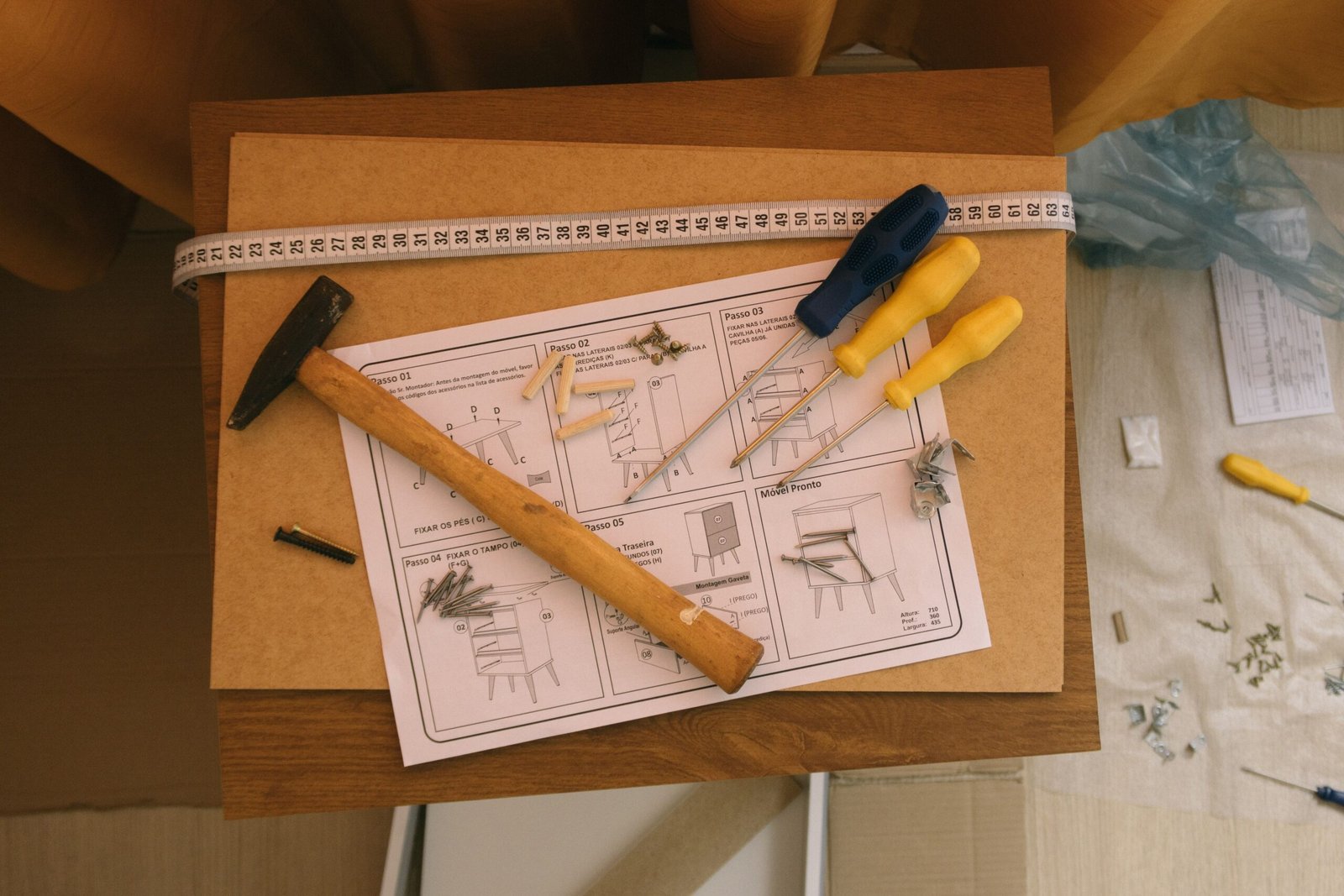
Installing Trex decking can be an excellent way to transform an outdoor area into a comfortable, attractive, and functional space for relaxing, entertaining, dining, or enjoying time with family. Trex composite decking is popular because it provides the appearance of traditional wood while requiring considerably less routine maintenance than many conventional wood decking materials. However, achieving a professional-looking result involves more than simply placing boards over a frame. Proper planning, accurate measurements, a suitable substructure, correct fasteners, appropriate spacing, and careful attention to installation instructions all play an important role in creating a deck that looks good and performs well for years. Whether you are replacing an old deck or building a new outdoor living area, understanding the basic process before purchasing materials can help you avoid expensive mistakes and unnecessary rework.
A successful Trex deck installation begins before the first board is installed. You need to determine the deck’s dimensions, understand the condition and layout of the supporting structure, calculate how much decking you need, gather the appropriate tools, and plan details such as stairs, picture framing, fascia, drainage, and railing. It is also important to remember that composite decking is not installed exactly like ordinary wood. The boards have specific fastening and spacing requirements, and the manufacturer’s current installation instructions should always take priority over generic advice. With good preparation and careful workmanship, installing Trex decking can be a manageable project that produces a polished outdoor space and adds practical value to a home.
Table of Contents
ToggleWhat Is Trex Decking?
Trex is a well-known manufacturer of composite decking, and its decking products are designed to provide an alternative to traditional wood decking. Composite decking generally combines wood fibers with recycled or polymer materials, producing boards designed for outdoor use with characteristics different from untreated lumber. One of the main reasons homeowners choose Trex is that composite boards do not require the same type of regular staining, painting, or sealing routine associated with many wood decks. This can make composite decking appealing to people who want an attractive outdoor surface without committing to frequent refinishing.
Another important consideration is that Trex decking is a finished product, meaning homeowners should think carefully about cutting, fastening, spacing, and appearance during installation. While composite decking can be relatively straightforward to work with using common woodworking tools, it still requires precision. Small inaccuracies in the frame or board placement can become noticeable once the decking is complete. A carefully prepared foundation and consistent installation technique therefore have a major influence on the final appearance of the deck.
Planning Your Trex Deck Installation
Before installing Trex decking, take time to plan the entire project rather than beginning with the decking boards themselves. Start by determining the overall size and shape of the deck and decide where it will connect to the house, where stairs will go, and whether you want railings, benches, lighting, or other built-in features. Measure the proposed area carefully and create a basic layout showing the joist direction and board direction. The layout can help you identify areas where boards will need to be cut, where seams may occur, and whether you need additional framing to support specific design details.
Planning is especially important if the deck has an unusual shape. A simple rectangular deck may require relatively straightforward calculations, while a deck with curves, angles, multiple levels, stairs, or picture-frame borders can require considerably more material and labor. It is wise to account for cutting waste when ordering decking. At the same time, avoid ordering a large excess without first calculating your requirements. The goal is to have enough material for the project while minimizing unnecessary waste.
You should also check applicable local building requirements before construction. Decks can be subject to rules concerning structural design, attachment to a building, footings, guardrails, stairs, setbacks, and permits. Requirements vary by location, so local building authorities or a qualified professional should be consulted when necessary. The manufacturer’s installation documentation should also be reviewed before work begins because product-specific requirements can vary between decking lines and generations.
Inspect and Prepare the Deck Frame
The supporting frame is one of the most important parts of any composite deck. Even the highest-quality decking cannot compensate for an inadequate or poorly aligned substructure. If you are replacing an existing deck surface, carefully inspect the joists, beams, posts, ledger, fasteners, and other structural components before installing new decking. Look for rot, cracking, movement, corrosion, improper spacing, or other signs of structural deterioration. If the framing is damaged or does not meet the requirements for the new decking system, it should be repaired or rebuilt before the surface boards are installed.
For a new deck, the framing needs to be constructed according to the appropriate structural requirements and the decking manufacturer’s recommendations. Joist spacing is particularly important because composite boards need adequate support. The exact spacing can depend on the specific Trex product and installation pattern, so do not assume that a spacing used for another decking material is automatically appropriate. The joists should also form a reasonably flat and consistent plane. High or low areas in the frame can result in a wavy-looking deck surface that becomes obvious after installation.
Before laying the first board, check the frame from several angles. Use a straightedge or other suitable method to identify uneven areas, and verify that the joists are aligned properly. Taking extra time at this stage can save significant effort later. Once the decking boards cover the frame, correcting structural problems becomes much more difficult.
Tools and Materials for Installing Trex Decking
Having the right equipment available makes Trex decking installation more efficient and helps produce cleaner results. The exact tools depend on the particular deck design, but common equipment may include a tape measure, pencil, level, chalk line, circular saw, drill or driver, appropriate bits, clamps, safety glasses, hearing protection, work gloves, and other standard woodworking tools. A saw designed and maintained for clean cutting can be especially useful because composite decking needs to be cut accurately for a professional finish.
Fasteners are another critical part of the project. Trex decking systems can use hidden fastening systems as well as other approved fastening methods, depending on the product and application. Using the correct fastener is important not only for appearance but also for proper board attachment and long-term performance. Avoid assuming that ordinary screws or fasteners are suitable simply because they work with wood. Check the manufacturer’s current recommendations for the specific Trex decking product you are installing.
You may also need fascia boards, stair components, railing materials, protective equipment, flashing or drainage materials, and additional framing lumber depending on the project. Creating a complete materials list before visiting a supplier can help prevent delays and reduce the temptation to substitute incompatible products halfway through the installation.
Step-by-Step Process for Installing Trex Decking
Step 1: Prepare the Work Area
Begin by ensuring that the work area is clean, accessible, and safe. Remove unnecessary materials and make sure there is sufficient space for handling long decking boards. Organize your tools and fasteners so that you are not repeatedly stopping the installation to search for equipment. If you are working around an existing structure, protect doors, siding, landscaping, and other nearby surfaces from damage caused by tools or falling materials.
Step 2: Confirm the Frame and Joist Layout
Before placing decking, double-check the framing dimensions, joist spacing, level, and alignment. This is the point where corrections are easiest. Measure diagonally across the frame to check whether the deck is square, and inspect the outer edges to make sure they form the intended shape. If the framing is not properly aligned, the decking pattern may gradually drift as you move across the deck.
Step 3: Plan the Board Layout
Lay out your decking pattern before permanently fastening the boards. Think about where seams will appear and how the boards will meet stairs, railings, walls, and borders. If the deck is large enough to require multiple boards in a row, planning the seams can make the finished surface look much more intentional. For more decorative designs, such as picture-frame borders or contrasting colors, carefully calculate the layout before cutting any material.
Step 4: Install the First Board Carefully
The first decking board establishes the alignment for much of the remaining surface, so do not rush this step. Position it according to the planned layout and verify its alignment with the deck edge. Use the recommended fastening method for your particular Trex product. If the first board is slightly out of alignment, the error can become progressively more visible as additional boards are installed.
Step 5: Install the Remaining Boards
Continue installing boards across the deck while maintaining the manufacturer’s recommended gaps and fastening requirements. Keep checking alignment as you work instead of waiting until the end of the project. Composite boards can have natural manufacturing and temperature-related characteristics that make proper spacing important. Follow the current Trex installation instructions for the product you purchased, particularly regarding end-to-end gaps, side-to-side spacing, temperature conditions, and fastening.
Work systematically across the deck and keep the boards clean as you proceed. Removing cutting debris and dust periodically makes it easier to see the installation lines and identify any issues before they become difficult to correct.
Step 6: Handle Seams and Board Ends
Where two decking boards meet end-to-end, the supporting structure and fastening arrangement need to be appropriate for the installation. Do not simply allow a board end to float without adequate support. Depending on the design, additional framing or a different layout may be required. Seams should also be positioned deliberately so the finished deck has a consistent and attractive appearance.
Temperature can also affect composite decking dimensions, so expansion and contraction requirements should be considered. Always follow the specific Trex instructions applicable to the decking line because different products can have different installation requirements.
Step 7: Install Fascia and Edge Details
Once the main decking is installed, you can complete the edges with appropriate fascia or trim components. These details can make a substantial difference to the overall appearance of the deck because they conceal portions of the supporting frame and create a finished perimeter. Measure carefully before cutting, particularly around corners and stairs. Avoid treating fascia installation as an afterthought because poorly aligned edges can make an otherwise excellent deck appear unfinished.
Step 8: Complete Stairs and Railings
If your project includes stairs or railings, follow the applicable structural and manufacturer requirements. Stair construction deserves particular attention because stair dimensions, support, railing height, and other details can affect both usability and safety. Railings should be securely attached to an appropriate structural system rather than relying solely on the decking boards for support.
Common Mistakes to Avoid When Installing Trex Decking
One of the most common mistakes is failing to prepare the frame properly. Homeowners sometimes focus heavily on the visible decking boards and overlook the supporting structure. A frame that is uneven, improperly spaced, or structurally compromised can cause problems that are difficult to solve after the decking is installed. Before beginning the surface installation, inspect and correct the structure rather than assuming that the decking will hide imperfections.
Another mistake is ignoring product-specific installation instructions. Composite decking is not a universal material with one installation method. Different Trex products and fastening systems may have different requirements. Using the wrong fasteners, incorrect spacing, or unsuitable installation techniques can affect the appearance and performance of the finished deck. Always consult the manufacturer’s current documentation for the exact product being installed.
Poor planning of seams is another issue that can affect appearance. Randomly positioning board joints may create a visually distracting pattern, especially on a large deck. Before cutting boards, consider where joints will fall and how they will relate to the deck’s overall design. Buying appropriate board lengths and planning the layout can reduce waste while improving the final appearance.
Finally, avoid rushing the project. Installing decking is repetitive work, and it can be tempting to move quickly after the first few boards are complete. However, regularly checking measurements, alignment, spacing, and fastening can prevent small mistakes from spreading across the entire deck. Taking an extra few minutes to correct an issue early is usually much easier than removing several installed boards later.
How Long Does Trex Decking Installation Take?
The time required for installing Trex decking depends heavily on the size and complexity of the project. A relatively small, simple deck with an existing sound frame may be completed much faster than a large multi-level deck requiring new footings, framing, stairs, railings, and custom details. Weather, access to the work area, the experience of the installer, and the number of people working on the project can also influence the timeline.
If the frame is already in excellent condition, the installation may primarily involve preparing the surface and installing the decking, fascia, and other components. A complete new deck, however, involves much more than laying boards. It can include site preparation, structural construction, inspections, electrical work for lighting, railing installation, and finishing details. For complicated or structurally significant projects, hiring an experienced deck professional can help ensure that the work complies with applicable requirements.
How to Maintain a Trex Deck After Installation
One of the advantages of composite decking is that routine maintenance is generally simpler than maintaining many traditional wood decks. However, “low maintenance” does not mean “no maintenance.” Dirt, leaves, food, mud, and other debris should be removed periodically rather than being allowed to accumulate. Keeping the surface clean can help preserve its appearance and make the outdoor area more enjoyable.
For cleaning, use methods and products recommended for the specific Trex product. Avoid experimenting with harsh chemicals or aggressive cleaning techniques that could damage the decking surface. If a spill occurs, cleaning it promptly can also help prevent staining. Regularly inspect the deck for loose components, damaged boards, blocked drainage areas, or other issues, especially after severe weather.
Is Installing Trex Decking a DIY Project?
For an experienced DIY homeowner, installing the decking surface may be achievable, particularly when the underlying frame is already sound and the project is relatively straightforward. Measuring, cutting, fastening, and maintaining consistent spacing are all skills that can be learned with careful preparation. However, building an entire deck involves structural considerations that go beyond simply installing composite boards.
If the project requires new foundations, structural connections to a house, complicated stairs, elevated construction, or significant alterations to an existing structure, professional assistance may be appropriate. A qualified contractor can also help address local building requirements and identify structural problems that might not be obvious to an inexperienced installer.
Final Tips for a Professional-Looking Trex Deck
The difference between an average deck and an impressive deck often comes down to preparation and attention to detail. Keep the framing straight and properly supported, plan the board pattern before installation, measure twice before cutting, use the appropriate fastening system, and continually check alignment as you move across the deck. Avoid trying to hide mistakes with trim because a small correction during installation is generally better than attempting to disguise an error after the surface is complete.
It is also worth thinking about the deck as part of the larger outdoor space. Consider how furniture will be arranged, where people will enter and exit the deck, how stairs connect to the yard, and whether railings or privacy features affect the overall design. A deck that is structurally sound and carefully installed can become a valuable extension of the home’s living space, while thoughtful layout decisions can make it considerably more comfortable and useful.
Conclusion
Installing Trex decking can transform an ordinary outdoor area into a durable and attractive place for relaxing, entertaining, and enjoying time outdoors. The key to a successful project is not simply choosing high-quality decking but combining that material with careful planning, sound structural preparation, accurate measurements, appropriate fasteners, correct spacing, and attention to detail throughout the installation. A well-prepared frame provides the foundation, while a carefully planned board layout and professional finishing work create the appearance homeowners expect from a quality composite deck.
Whether you plan to complete the project yourself or hire a professional, understanding the Trex decking installation process will help you make better decisions about materials, design, labor, and maintenance. Always use the latest installation instructions for your specific Trex product and follow applicable local building requirements. With proper preparation and installation, a Trex deck can provide an attractive outdoor living area while reducing many of the routine maintenance demands associated with traditional wood decking.
Frequently Asked Questions About Installing Trex Decking
Can Trex decking be installed over an existing deck frame?
Yes, Trex decking can potentially be installed over an existing frame if the structure is sound, properly aligned, and suitable for the specific decking product. The frame should be thoroughly inspected for rot, damage, inadequate support, and other problems before the old decking is removed or replaced.
What tools do I need for installing Trex decking?
Common tools include a tape measure, pencil, level, drill or driver, appropriate saw, bits, clamps, and safety equipment. The exact tools depend on the design and fastening system. Always check the current installation instructions for the specific Trex product.
Does Trex decking require special screws?
Trex decking should be installed using fasteners approved or recommended for the specific product and installation system. Hidden fasteners may be available for certain Trex decking products, while other applications may require approved face-fastening methods.
How much space should be left between Trex decking boards?
Spacing requirements depend on the particular Trex product, board location, temperature, and installation method. Rather than relying on a generic measurement, follow the current manufacturer’s installation instructions for your exact decking line.
Can you install Trex decking yourself?
Yes, an experienced DIYer may be able to install a relatively straightforward Trex decking surface. However, complete deck construction involves structural work, stairs, railings, foundations, and potentially permits, so professional assistance may be advisable for complex projects.
Does Trex decking need to be sealed?
Trex composite decking generally does not require the same routine sealing associated with many traditional wood decks. Maintenance requirements vary by product, age, and situation, so follow the manufacturer’s recommendations for cleaning and care.
How do you clean Trex decking?
Routine cleaning generally involves removing debris and washing the surface using cleaning methods recommended by Trex for the particular product. For stubborn stains or spills, use an appropriate cleaning procedure rather than harsh chemicals or abrasive techniques that could damage the surface.
Is Trex decking worth the cost?
For many homeowners, the combination of appearance, durability, and reduced routine maintenance makes composite decking an attractive long-term option. Whether it is worth the initial investment depends on your budget, climate, intended use, design preferences, and how much maintenance you would otherwise spend on a wood deck.
What is the most important part of Trex deck installation?
The supporting structure is one of the most important parts. A properly designed, strong, level, and correctly spaced frame provides the foundation for the decking. Careful board layout and correct fastening are then essential for achieving a durable and attractive finished surface.


Trending
- Sports3 months ago
⚽ TOTALSPORTEK – COMPLETE SEO GUIDE (2026)
- life style3 months ago
🔥 SEO TITLE IDEAS (WITH KEYWORDS + EXPLANATION)
- Business3 months ago
Miles College: History, Admissions, Programs, Campus Life, and Student Success Guide
- Tecnologia3 months ago
Couldn’t Verify Mi Account ID: Complete Guide to Fix Xiaomi Account Verification Problems
- life style3 months ago
Nicole Doshi Biography: Career, Background, Public Profile, and Frequently Asked Questions
- blog3 months ago
How to Surf: The Complete Beginner’s Guide to Learning Surfing Safely and Confidently
- Business3 months ago
SEO by HighSoftware99.com: A Complete Guide to Improving Your Website Rankings
- Entertainment3 months ago
Blog WhatUTalkingBoutWillis: The Complete Guide to Lifestyle, Entertainment, and Helpful Content