
Business
Pallas Cat: Everything You Need to Know About the Elusive Wild Feline

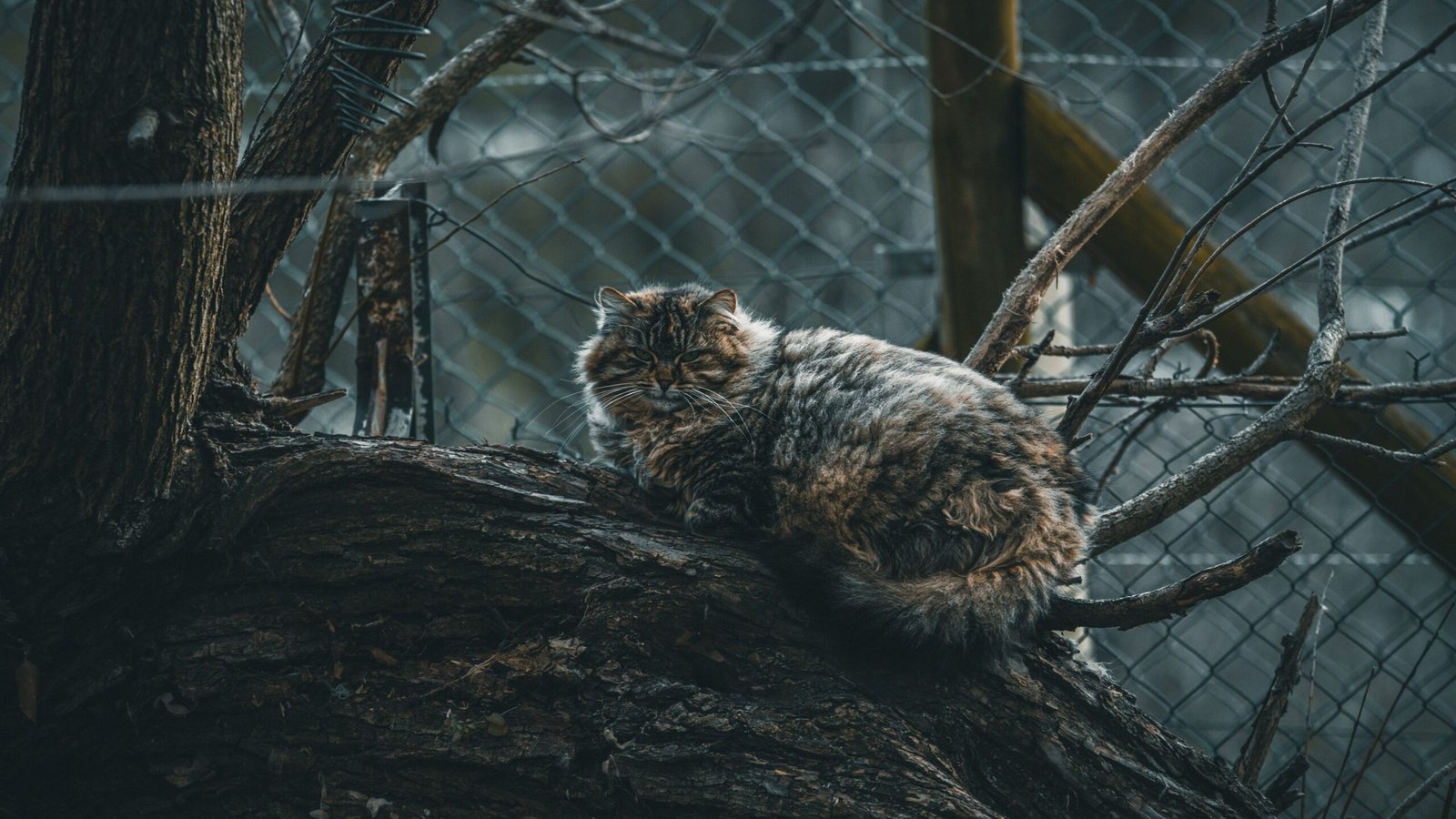
The Pallas cat, also known as Manul, is one of the world’s most fascinating wild cats. With its thick fur, round face, flattened ears, and expressive eyes, the Pallas cat has captured the attention of wildlife enthusiasts, photographers, and conservationists around the globe. Native to the grasslands, rocky steppes, and mountainous regions of Central Asia, this small but resilient feline is perfectly adapted to survive in some of the harshest climates on Earth. Unlike domestic cats, the Pallas cat is a solitary hunter that relies on camouflage, patience, and stealth to catch prey. In this comprehensive guide, you’ll learn about the Pallas cat’s habitat, appearance, behavior, diet, lifespan, conservation status, interesting facts, and much more.
What Is a Pallas Cat?
The Pallas cat (Otocolobus manul), often called the Manul, is a small wild cat native to Central Asia. Despite its compact size, it has one of the thickest and densest coats of any feline, allowing it to survive freezing winters in high-altitude grasslands and rocky steppes. Its distinctive appearance includes a broad, flattened face, short legs, rounded ears set low on the head, and large, round pupils that differ from the vertical slit pupils seen in most small cats. These unique features make the Pallas cat one of the easiest wild felines to recognize.Although it may resemble a fluffy domestic cat, the Pallas cat is a truly wild species with specialized behaviors and adaptations that make it well suited to its natural environment. It is generally shy, elusive, and difficult to observe in the wild, which has contributed to its mysterious reputation among wildlife researchers.
Habitat and Distribution
The Pallas cat is found across parts of Central Asia, including Mongolia, China, Kazakhstan, Kyrgyzstan, Russia, Nepal, Bhutan, and neighboring regions. It inhabits cold, dry landscapes such as rocky hillsides, open grasslands, alpine meadows, and semi-desert steppes. These environments provide natural cover among rocks and shrubs, helping the cat avoid predators while stalking prey.Unlike many forest-dwelling felines, the Pallas cat prefers open terrain where it can use the landscape to remain hidden. Its thick fur provides excellent insulation against harsh winters, while its low-profile body helps it blend seamlessly into its surroundings.
Physical Appearance
One of the most striking features of the Pallas cat is its luxurious coat, which becomes especially thick during winter. This dense fur makes the animal appear much larger than it actually is. Adults typically weigh between 2.5 and 5 kilograms (5.5 to 11 pounds) and measure around 46 to 65 centimeters (18 to 26 inches) in body length, excluding the bushy tail.The coat is generally gray with subtle shades of silver and brown, decorated with faint stripes and spots that enhance camouflage. Its rounded ears are positioned low on the sides of the head, reducing visibility when the cat hides behind rocks or vegetation. Large amber-colored eyes and a broad face give the Pallas cat its distinctive expression, making it a favorite among wildlife photographers.
Diet and Hunting Behavior
The Pallas cat is a carnivore that primarily feeds on small mammals. Its favorite prey includes pikas, voles, gerbils, mice, and other rodents. It may also hunt small birds, insects, and reptiles when available. Rather than chasing prey over long distances, the Pallas cat relies on patience and stealth. It quietly approaches its target using natural cover before launching a quick ambush.Because it is not built for high-speed pursuits, the Pallas cat depends heavily on camouflage and precise timing. This hunting strategy conserves energy and increases the likelihood of success in environments where prey can be scarce.
Behavior and Lifestyle
The Pallas cat is a solitary animal that spends much of its life alone except during the breeding season. It is most active during dawn and dusk, although activity patterns can vary depending on weather conditions and prey availability. During the day, it often rests inside rock crevices, abandoned burrows, or sheltered areas that provide protection from predators and extreme temperatures.Unlike many domestic cats, the Pallas cat is known for its calm demeanor and tendency to freeze when threatened rather than fleeing immediately. While this behavior can help it avoid detection, it may also make the cat vulnerable in areas with increasing human activity.
Reproduction and Lifespan
The breeding season generally occurs during late winter or early spring. After a gestation period of approximately two months, females typically give birth to a litter of two to six kittens, although litter sizes can vary. The kittens grow rapidly during the short summer season and begin learning essential hunting skills before becoming independent.In the wild, Pallas cats generally live around 8 to 10 years, while individuals in professionally managed zoological facilities may live longer with appropriate veterinary care and nutrition.
Conservation Status
The Pallas cat is classified as Least Concern on the International Union for Conservation of Nature (IUCN) Red List, but populations are believed to be declining in parts of its range. Habitat degradation, reduction in prey populations, climate change, accidental trapping, and human disturbance all present challenges to the species. Conservation organizations continue to monitor wild populations, conduct research, and work with local communities to support habitat protection and sustainable wildlife management.
Pallas Cat vs Domestic Cat
Although the Pallas cat shares a distant ancestry with domestic cats, the differences are significant. Domestic cats have evolved alongside humans and adapt well to household environments, whereas the Pallas cat remains highly specialized for life in rugged, cold landscapes. Its unique skull shape, dense coat, behavior, and hunting techniques distinguish it from familiar house cats. For these reasons, Pallas cats are not suitable as pets and should remain in their natural habitats or professionally managed conservation facilities.
Interesting Facts About the Pallas Cat
The Pallas cat has the longest and densest fur of any small wild cat, an adaptation that helps it survive freezing temperatures. Its scientific name, Otocolobus manul, refers to its distinctive ear shape. Unlike most small cats, its pupils remain round rather than narrowing into vertical slits. Because of its shy nature and remote habitat, it is one of the least frequently observed wild felines in the world. In recent years, the Pallas cat has become increasingly popular on social media due to its expressive facial expressions and fluffy appearance, helping raise awareness about wildlife conservation.
Conclusion
The Pallas cat is one of the most distinctive and resilient wild felines on Earth. Its thick coat, remarkable camouflage, patient hunting strategy, and ability to thrive in the cold, rugged landscapes of Central Asia make it a truly unique species. Although it has adapted exceptionally well to harsh environments, the Pallas cat still faces challenges from habitat changes, prey decline, and human activity in parts of its range. Learning about this remarkable animal not only deepens our appreciation for wildlife but also highlights the importance of conserving the fragile ecosystems it calls home. Whether you are a student, wildlife enthusiast, or simply curious about rare animals, the Pallas cat remains a fascinating example of nature’s extraordinary adaptability.
Frequently Asked Questions (FAQ)
What is a Pallas cat?
A Pallas cat, also known as the Manul, is a small wild feline native to Central Asia, recognized for its dense fur and distinctive round face.
Where do Pallas cats live?
They inhabit rocky steppes, grasslands, alpine meadows, and mountainous regions across Central Asia, including Mongolia, China, Kazakhstan, Russia, Nepal, and neighboring countries.
What do Pallas cats eat?
Their diet mainly consists of pikas, voles, mice, gerbils, small birds, insects, and other small animals.
Why is the Pallas cat so fluffy?
Its exceptionally thick coat helps it survive the extremely cold climates found throughout its natural range.
Can a Pallas cat be kept as a pet?
No. Pallas cats are wild animals with specialized needs and are not suitable as household pets.
How long do Pallas cats live?
They generally live around 8 to 10 years in the wild, although some may live longer under professional care.
Are Pallas cats endangered?
They are currently listed as Least Concern by the IUCN, but some regional populations face threats from habitat loss, declining prey, and human activities.
Why are Pallas cats famous online?
Their unique facial expressions, fluffy appearance, and unusual behavior have made them popular subjects in wildlife photography and social media.


The cryptocurrency industry has experienced remarkable growth over the past decade, attracting millions of investors, traders, and technology enthusiasts from around the world. As digital assets continue to become more mainstream, choosing the right cryptocurrency platform has become one of the most important decisions for both beginners and experienced traders. A reliable crypto platform should provide strong security, transparent operations, user-friendly tools, competitive fees, and dependable customer support. Since there are many platforms available, each offering different services and features, users should carefully compare their options before creating an account or investing their funds. This comprehensive crypto platform review explains the essential factors that determine whether a platform is trustworthy and worth considering. By understanding these key elements, readers can make informed decisions and reduce the risks associated with online cryptocurrency trading.
What Is a Crypto Platform?
A crypto platform is an online service that enables users to buy, sell, trade, store, and sometimes stake cryptocurrencies. These platforms act as intermediaries between buyers and sellers while providing access to digital assets such as Bitcoin, Ethereum, and many other cryptocurrencies. Modern crypto platforms often include advanced charting tools, mobile applications, educational resources, and portfolio management features. Some platforms focus on beginner-friendly experiences, while others are designed for professional traders who require advanced trading options such as futures, margin trading, and automated strategies. Understanding the purpose and capabilities of a crypto platform helps users select a service that matches their financial goals and trading experience.
Security and Trust: The Most Important Factors
Security should always be the highest priority when evaluating any cryptocurrency platform. Because cryptocurrencies are digital assets, they are attractive targets for hackers and cybercriminals. A trustworthy platform invests heavily in protecting customer funds through advanced security measures such as two-factor authentication (2FA), encryption, cold wallet storage, withdrawal verification, and continuous monitoring for suspicious activity. In addition to technical security, trust is built through transparency. Reliable platforms clearly explain their fee structures, privacy policies, licensing information, and operational practices. They also maintain responsive customer support and openly communicate any system updates or incidents. Choosing a platform with a strong reputation for security and transparency significantly reduces the likelihood of encountering fraud or unnecessary risks.
User Experience and Platform Interface
An effective crypto platform should offer a clean, intuitive, and responsive interface that makes trading straightforward for users of all experience levels. Beginners benefit from simple navigation, guided tutorials, and easy account management, while experienced traders appreciate customizable dashboards, advanced charting tools, and real-time market data. A well-designed platform minimizes confusion and allows users to execute trades efficiently without unnecessary complications. Mobile compatibility is also an important consideration, enabling investors to monitor markets and manage their portfolios from virtually anywhere. A positive user experience contributes to better decision-making and overall satisfaction.
Trading Features and Cryptocurrency Selection
One of the defining characteristics of a quality crypto platform is the variety of trading features it provides. Users should evaluate whether the platform supports the cryptocurrencies they intend to trade and whether it offers useful tools such as market analysis, limit orders, stop-loss orders, recurring purchases, and portfolio tracking. Some platforms also provide staking, lending, earning rewards, or decentralized finance (DeFi) integrations. A broader selection of digital assets and flexible trading options gives investors more opportunities to diversify their portfolios and adapt to changing market conditions. However, users should always understand the risks associated with each investment before participating.
Fees and Pricing Transparency
Every cryptocurrency platform charges fees in one form or another, making pricing transparency an important factor in any review. Common costs include trading fees, withdrawal fees, deposit charges, spread costs, and network transaction fees. The most trustworthy platforms clearly explain their pricing structure without hidden charges that surprise users later. Comparing fee schedules across different platforms helps investors maximize their returns while minimizing unnecessary expenses. Although lower fees are attractive, they should never come at the expense of strong security or reliable customer service. The best platforms balance affordability with quality features and dependable protection.
Customer Support and Educational Resources
Reliable customer support demonstrates that a crypto platform values its users and is prepared to resolve issues promptly. Support channels such as live chat, email, ticket systems, and detailed help centers improve the overall user experience, particularly during periods of high market volatility. Educational resources are equally valuable because they help beginners understand blockchain technology, cryptocurrency investing, trading strategies, and risk management. Platforms that invest in educational content empower users to make better financial decisions rather than relying solely on speculation or market hype.
Advantages of Choosing a Trusted Crypto Platform
Selecting a reputable cryptocurrency platform provides numerous long-term benefits beyond simply executing trades. Strong security measures help protect digital assets, while transparent operations increase user confidence and reduce uncertainty. Reliable platforms typically offer stable performance, faster transaction processing, regulatory compliance where applicable, and continuous product improvements. Many also provide advanced investment tools that help users analyze market trends and manage diversified portfolios more effectively. These advantages contribute to a safer and more enjoyable cryptocurrency experience for investors of all skill levels.
Potential Risks to Consider
Despite the many benefits of cryptocurrency platforms, users should remain aware of the risks associated with digital asset investing. Cryptocurrency markets are highly volatile, and prices can fluctuate significantly within short periods. Regulatory environments continue to evolve in many countries, which may affect platform availability or services. Cybersecurity threats, phishing attacks, and investment scams also remain ongoing concerns. Investors should conduct independent research, verify platform credentials, enable all available security features, and never invest more than they can afford to lose. Responsible investing begins with understanding both the opportunities and the risks.
Tips for Choosing the Right Crypto Platform
When selecting a cryptocurrency platform, users should compare security features, supported cryptocurrencies, trading tools, fee structures, customer support quality, and overall reputation. Reading independent reviews, researching the company’s history, and testing the platform with a small investment before committing larger amounts can provide valuable insights. Investors should also ensure that the platform aligns with their personal goals, whether they are interested in long-term investing, active trading, staking, or educational resources. Taking the time to evaluate these factors leads to more informed decisions and a better overall experience.
Conclusion
Choosing the right cryptocurrency platform is one of the most important steps in building a successful digital asset investment strategy. While many platforms offer similar services, differences in security, transparency, user experience, trading tools, and customer support can significantly impact the overall experience. A trustworthy platform prioritizes user protection, communicates openly about its operations, and continuously improves its services to meet evolving market needs. By carefully evaluating these factors and conducting thorough research before investing, users can confidently select a platform that supports their financial objectives while minimizing unnecessary risks. An informed decision today can contribute to a safer and more rewarding cryptocurrency journey in the future.
Frequently Asked Questions (FAQs)
1. What is a crypto platform?
A crypto platform is an online service that allows users to buy, sell, trade, and manage cryptocurrencies using secure digital tools.
2. Why is security important when choosing a crypto platform?
Security protects user funds and personal information from hackers, fraud, and unauthorized access through features such as two-factor authentication and encrypted storage.
3. How can I determine if a crypto platform is trustworthy?
Look for transparent fee structures, strong security measures, positive user reviews, responsive customer support, and clear information about the company’s operations.
4. Do all crypto platforms charge fees?
Yes. Most platforms charge trading, withdrawal, or network-related fees. Always review the fee schedule before opening an account.
5. Can beginners use crypto platforms?
Yes. Many platforms are specifically designed for beginners and provide educational resources, easy-to-use interfaces, and guided account setup.
6. What should I compare before selecting a crypto platform?
Compare security features, supported cryptocurrencies, fees, customer support, user experience, available trading tools, and the platform’s overall reputation.

Bisoñés are partial hairpieces designed to cover areas of hair thinning or baldness while blending naturally with a person’s existing hair. Unlike full wigs, which cover the entire scalp, a bisoñé is intended to restore the appearance of hair only where it is needed. Modern bisoñés are available in a wide range of styles, colors, lengths, and base materials, making them a popular option for people seeking a natural-looking solution to hair loss.
Hair loss can occur for many reasons, including genetics, aging, hormonal changes, medical treatments, or stress. Bisoñés offer a non-surgical alternative that can immediately improve appearance and confidence without requiring lengthy recovery periods or invasive procedures.
Types of Bisoñés
There are several types of bisoñés designed to meet different needs. Human hair bisoñés provide the most natural look and can be cut, colored, and styled much like natural hair. Synthetic hairpieces are generally more affordable, require less maintenance, and retain their style even after washing. Hybrid options combine natural and synthetic fibers to balance appearance, durability, and cost.
The base material also varies. Lace bases create a realistic hairline and allow excellent airflow, while skin or polyurethane bases provide a secure fit and the illusion that hair is growing directly from the scalp. Monofilament bases are another popular choice because they combine comfort with a natural appearance.
Benefits of Bisoñés
One of the biggest advantages of bisoñés is their ability to provide instant results. Unlike hair restoration treatments that may take months to show progress, a properly fitted hairpiece immediately creates the appearance of fuller hair. They are also non-invasive, making them suitable for people who do not want surgery or are not candidates for hair transplantation.
Another significant benefit is versatility. Modern hairpieces can be customized to match a person’s natural hair color, density, texture, and hairstyle. This level of personalization helps ensure a seamless, realistic appearance that is difficult to distinguish from natural hair.
How to Choose the Right Bisoñé
Selecting the right hairpiece involves considering several factors, including hair type, color, density, cap size, and lifestyle. Individuals who frequently exercise or spend time outdoors may prefer lightweight, breathable bases, while those seeking maximum realism often choose high-quality human hair systems.
Professional fitting is recommended because it ensures the hairpiece matches the wearer’s natural features and fits comfortably. A well-fitted bisoñé not only looks better but also remains secure during everyday activities.
Caring for Bisoñés
Proper maintenance extends the lifespan of a hairpiece. Gentle washing with products designed for wigs or hair systems, careful drying, and proper storage help maintain appearance and durability. Human hair systems may require conditioning and occasional styling, while synthetic options should be handled according to the manufacturer’s recommendations to preserve their fibers.
Regular cleaning also helps remove oils, sweat, and styling product residue, keeping the hairpiece looking fresh and comfortable to wear.
Conclusion
Bisoñés have become an effective and popular solution for individuals experiencing hair loss. Advances in materials and manufacturing have made modern hairpieces more realistic, comfortable, and customizable than ever before. Whether chosen for cosmetic reasons, medical hair loss, or personal preference, a high-quality bisoñé can restore confidence while providing a natural appearance that complements the wearer’s existing hair.
FAQs
1. What are bisoñés?
Bisoñés are partial hairpieces or toupees designed to cover areas of hair loss while blending with natural hair.
2. Are human hair bisoñés better than synthetic ones?
Human hair offers a more natural appearance and styling flexibility, while synthetic options are typically more affordable and easier to maintain.
3. How long do bisoñés last?
The lifespan depends on the quality of the hairpiece, how often it is worn, and how well it is maintained.
4. Can you exercise while wearing a bisoñé?
Yes. Many modern attachment methods are designed to keep hairpieces secure during daily activities, including exercise.
5. Do bisoñés look natural?
High-quality, professionally fitted bisoñés can closely match a person’s natural hair in color, texture, and density, making them appear very realistic.


 life style3 months ago
🔥 SEO TITLE IDEAS (WITH KEYWORDS + EXPLANATION)
- Business2 months ago
Miles College: History, Admissions, Programs, Campus Life, and Student Success Guide
- Sports3 months ago
⚽ TOTALSPORTEK – COMPLETE SEO GUIDE (2026)
- life style2 months ago
Nicole Doshi Biography: Career, Background, Public Profile, and Frequently Asked Questions
- Tecnologia2 months ago
Couldn’t Verify Mi Account ID: Complete Guide to Fix Xiaomi Account Verification Problems
- blog2 months ago
How to Surf: The Complete Beginner’s Guide to Learning Surfing Safely and Confidently
- Business2 months ago
SEO by HighSoftware99.com: A Complete Guide to Improving Your Website Rankings
- Entertainment2 months ago
Blog WhatUTalkingBoutWillis: The Complete Guide to Lifestyle, Entertainment, and Helpful Content